Still creating your documents manually?
Generate Supply Chain Documentation Automatically from Logistics Data
Learn how supply chain teams automate shipping documents, customs paperwork, and logistics reports using Google Docs templates connected to their supply chain management systems.

Understanding Documentation for Supply Chain Organizations
Supply chain documentation automation transforms how logistics teams handle shipping paperwork, customs forms, and operational reports. Every shipment requires multiple documents with precise product information, quantities, weights, destinations, and regulatory compliance details that must match across different forms. According to McKinsey research on supply chain digitization, leading organizations are adopting digital documentation systems to improve accuracy and speed. These improvements are driven by seamless integration: simply connect your Google Docs templates with your existing data sources, whether that's Airtable, ClickUp, Glide, or logistics systems via API, and your shipping documents generate automatically. Product details, shipment specifications, carrier information, customs requirements, and consignee data flow directly from your supply chain management system into properly formatted documentation instead of being manually entered into each form.
Start automating documents in minutes!
Why Supply Chain Teams Need Documentation Automation
Creating consistent, accurate documentation across multiple shipments and international borders creates bottlenecks that slow fulfillment and increase error rates.
- Multi-Document Consistency Requirements: A single international shipment needs bills of lading, commercial invoices, packing lists, and customs declarations, all containing matching product descriptions, quantities, and values, but teams often enter this information separately into each document type
- Customs and Regulatory Complexity: Different destination countries require specific documentation formats, HS code classifications, origin certifications, and valuation methods, making it difficult to maintain compliant paperwork templates for each jurisdiction manually
- High-Volume Processing Demands: Distribution centers and freight forwarders process dozens or hundreds of shipments daily, and generating the required documentation for each shipment manually creates delays in getting products moving
- Carrier-Specific Format Requirements: Different shipping carriers and freight forwarders often require their own document formats or specific information arrangements, meaning the same shipment data needs reformatting for different logistics partners
These documentation demands become particularly acute during peak shipping seasons or when expanding into new markets with unfamiliar regulatory requirements. That's where systematic document generation proves valuable.
How DocsAutomator Delivers Documentation Automation for Supply Chain Organizations
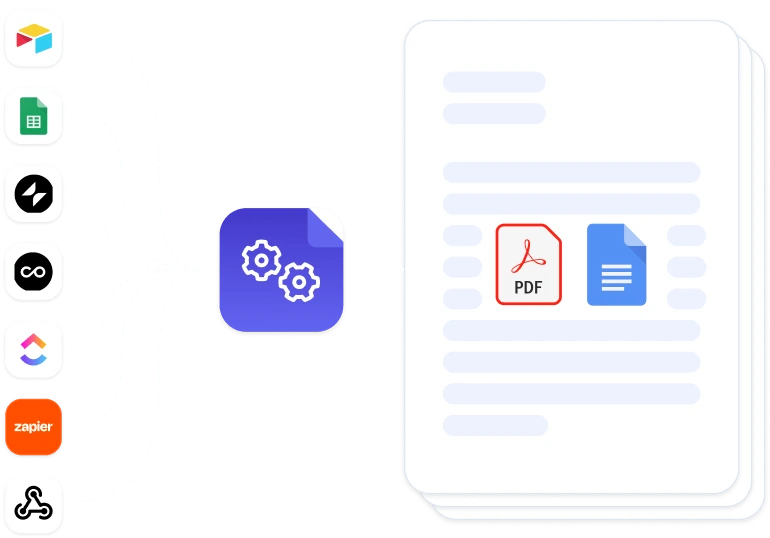
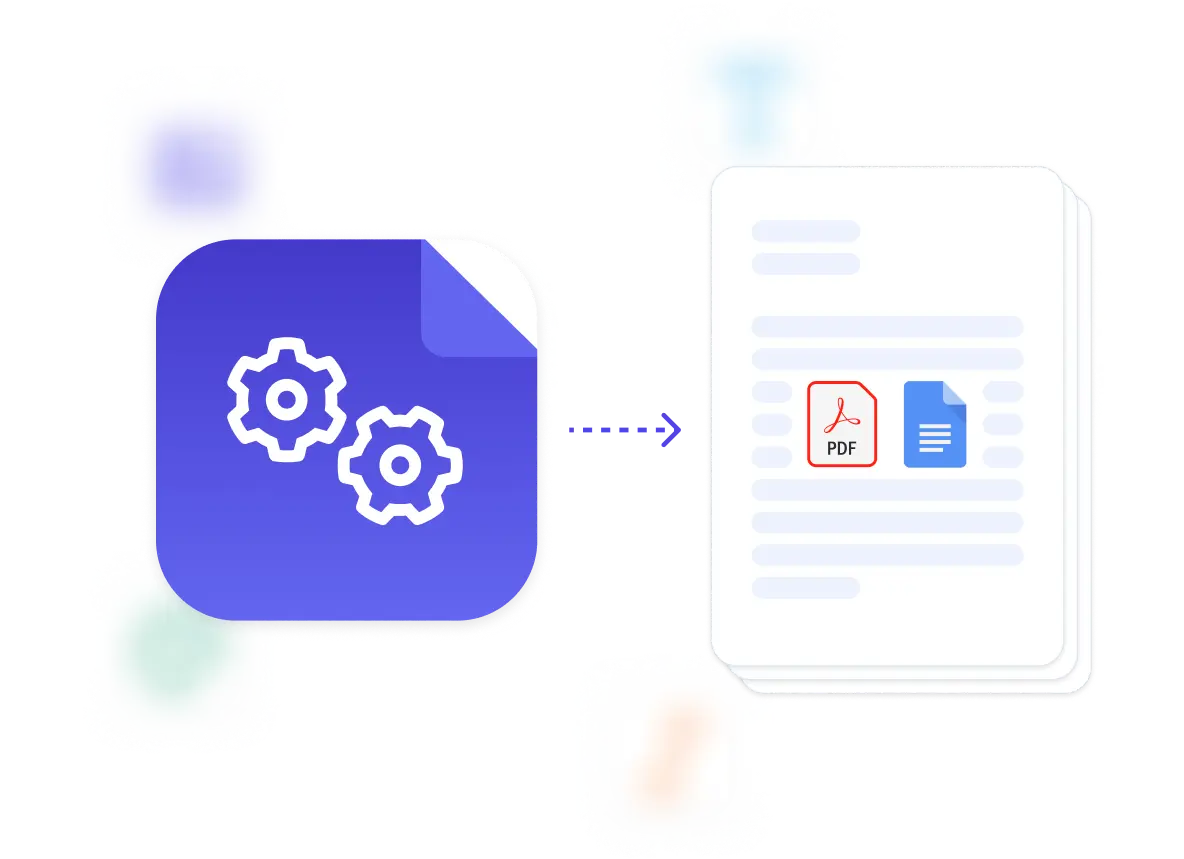
We connect your logistics data directly to Google Docs templates, so shipping documents, customs forms, and operational reports generate automatically. Product specifications, shipment details, consignee information, carrier requirements, and regulatory compliance data flow from tools like Airtable, ClickUp, or your WMS and TMS systems into ready-to-print documentation.
The system addresses the specific challenges supply chain operations face. Dynamic tables list shipment contents with SKUs, descriptions, quantities, and HS codes in the formats different documents require. Conditional logic includes international shipping fields for cross-border shipments while omitting them for domestic deliveries. Images embed product photos, handling instruction icons, or hazmat placards when shipments require visual documentation.
This works through native integrations with Airtable, Glide, Noloco, ClickUp, and similar platforms, plus our flexible API that connects to warehouse management systems, transportation management platforms, or ERP systems. Documents output as PDF for printing, carrier submission, and customs clearance, with optional Google Docs format when you need to adjust details before finalizing. Explore our inspection report templates for quality documentation.
Supply chain teams typically start by automating their highest-volume documents like packing lists and bills of lading, then extend to customs paperwork and compliance certificates. The pattern remains consistent: your shipment data lives in your logistics systems, your template defines each document format, and we generate the paperwork when you process the shipment. Learn more at our data entry automation guide.
DocsAutomator natively integrates with your favorite apps









Start with our free pre-built templates
To make the start easy, we've created a variety of templates for the most common use cases.


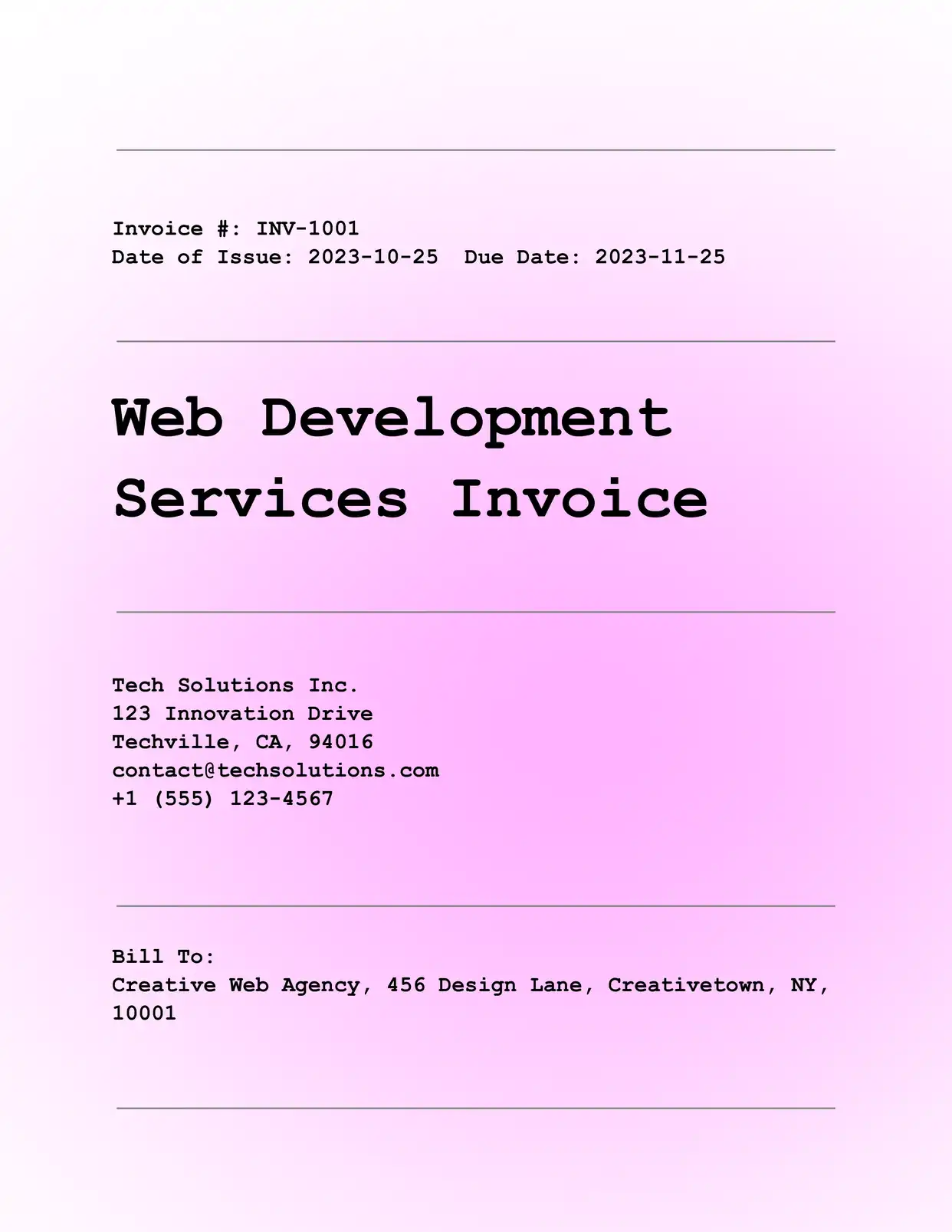
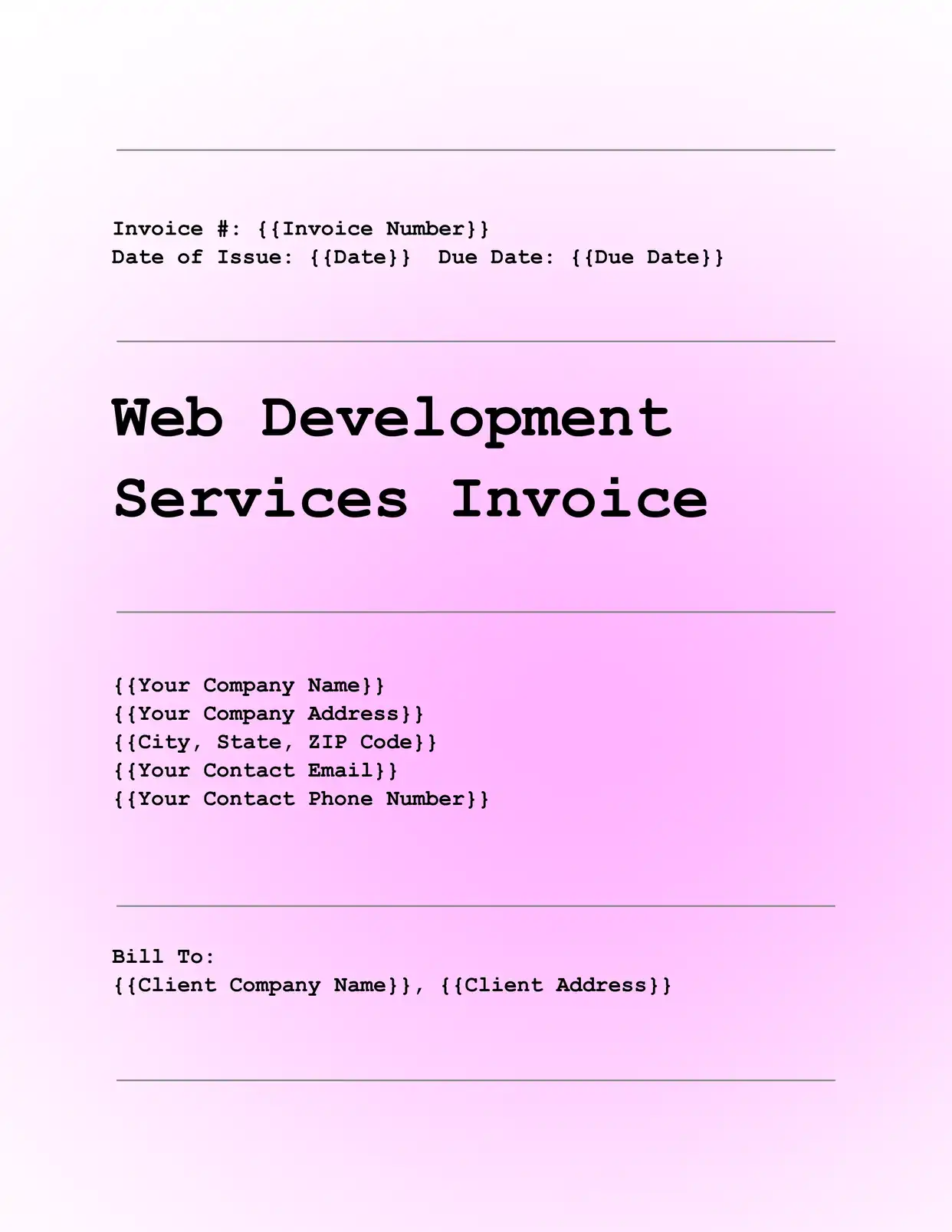


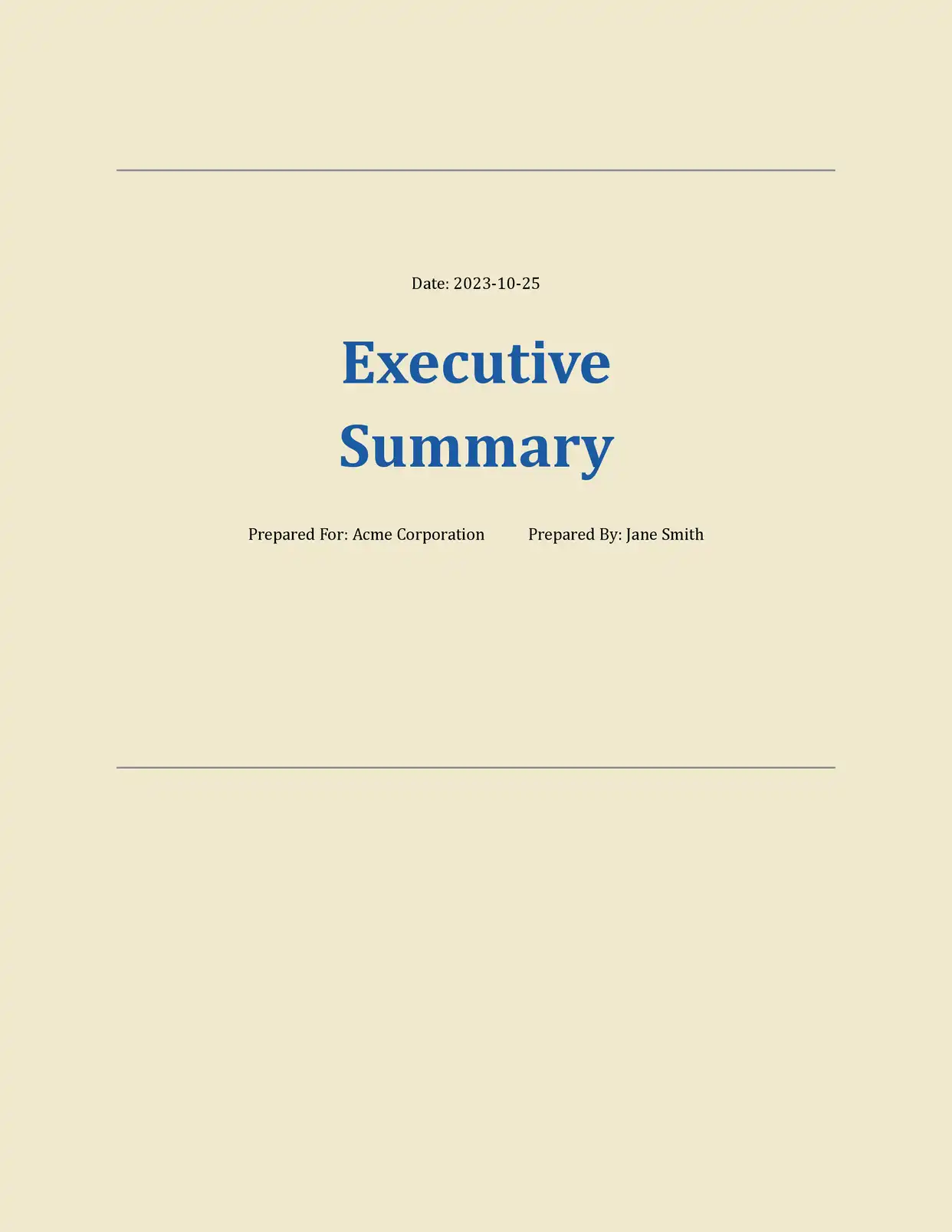
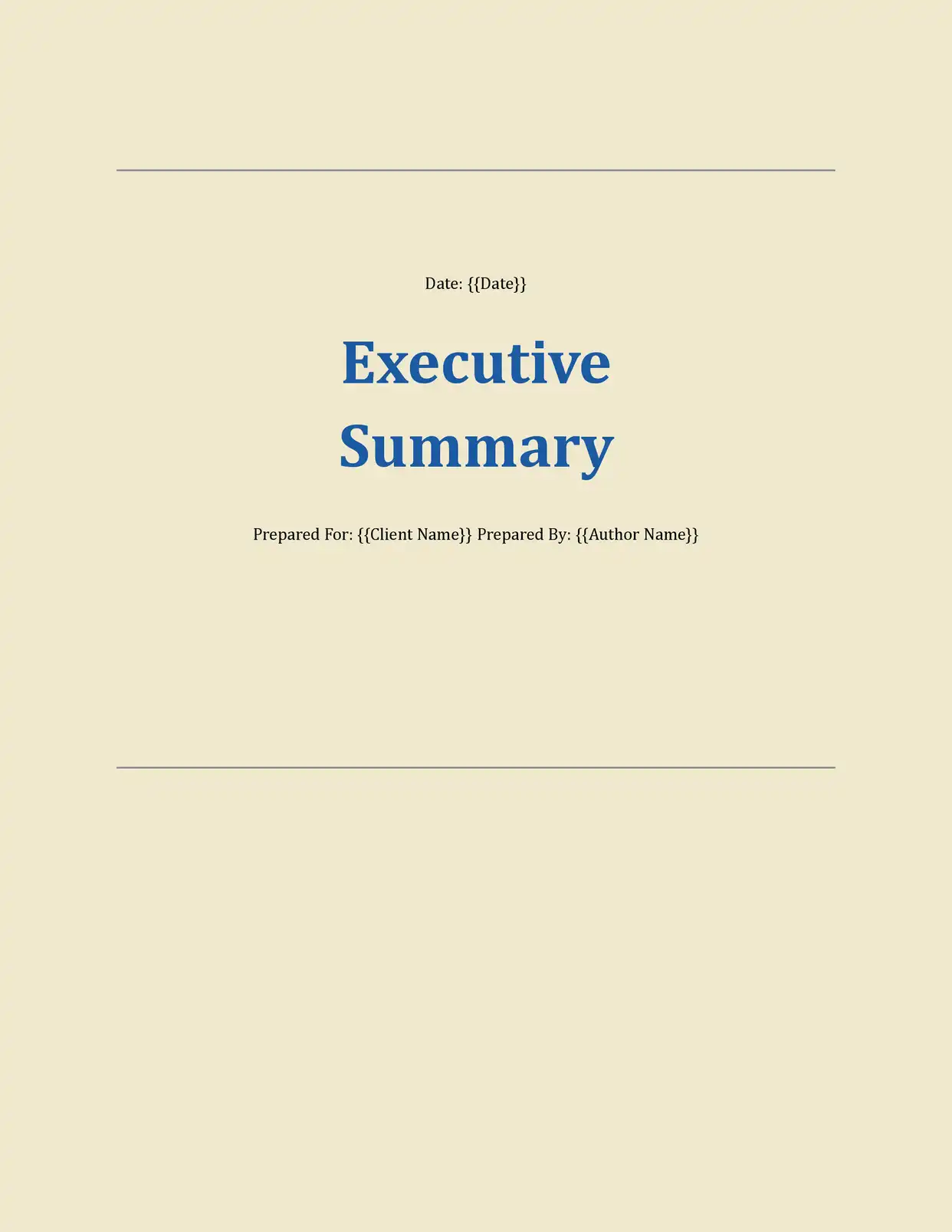
Discover all of our pre-built templates:
View full Template GalleryReady to automate your documents?
Join the 1,215 businesses that trust DocsAutomator with their most critical documents









Unlimited testing, no credit card required