Still creating your documents manually?
Property Inspection Report Automation for Real Estate Teams
Real estate teams conduct inspections constantly, but turning field notes into polished reports takes time most teams don't have. Property inspection report automation connects the data you already collect to templates that generate complete, consistent reports without the manual assembly work.

Understanding Property Inspection Report Automation for Real Estate Organizations
Real estate professionals spend considerable time inspecting properties, documenting conditions and delivering findings to clients, tenants and stakeholders. As AI continues to reshape the real estate industry, property inspection report automation represents a key piece of this shift. By connecting field observations to templates, it generates finished documents automatically and eliminates the manual assembly step.
DocsAutomator makes this shift practical for real estate teams. We work with Google Docs templates you design once, then we populate them from wherever your inspection data lives, whether that's Airtable, ClickUp, Glide, property management platforms or custom databases via API. Instead of copying notes into Word documents or wrestling with formatting, inspectors record findings in the field and reports appear ready for distribution. For agencies managing rental portfolios, commercial properties or residential sales, this approach turns inspection reporting from a time-consuming task into something that happens in the background.
The value shows up most clearly when teams run similar inspections repeatedly. Each report follows the same structure, uses consistent language and includes the right details without anyone manually building it. Understanding why real estate teams struggle with traditional inspection documentation helps explain where automation makes the biggest difference.
Start automating documents in minutes!
Why Real Estate Teams Need Property Inspection Report Automation
Property inspections generate useful information that sits in photos, checklists and scattered notes until someone has time to turn it into a presentable document. That gap between conducting inspections and delivering reports creates delays that frustrate clients and slow down decision-making.
- Document assembly takes longer than the inspection itself: Field work might take an hour, but building a properly formatted report with photos, descriptions and recommendations can take twice as long when done manually.
- Report quality varies by who writes it: Different team members use different templates, terminology and levels of detail, which makes it hard for property managers and owners to compare findings across time or properties.
- Photos and notes live in different places: Inspection images sit in phone galleries or cloud folders while observations exist in apps or spreadsheets, so compiling everything into one document requires hunting through multiple systems.
- Clients expect faster turnaround: Tenants moving in tomorrow need their condition report today, buyers want due diligence findings before closing, and property owners expect regular updates without having to ask.
These challenges don't reflect a lack of skill among real estate professionals. They come from the nature of inspection work itself, where capturing information in the field is straightforward but transforming that raw data into polished reports requires repetitive formatting work. Property inspection report automation addresses this by keeping the human judgment in the inspection while letting software handle the document production, which is where we fit into real estate workflows.
How DocsAutomator Delivers Property Inspection Report Automation for Real Estate Organizations
We sit between your inspection data and the reports you deliver. You design a Google Docs template that matches your firm's reporting standards, complete with headers, sections for different inspection areas, photo placeholders and signature blocks. You can start with a free inspection report template and customize it to your needs. Then you connect that template to your data source, whether that's Airtable bases tracking inspection findings, ClickUp tasks with attached photos, Glide apps your field teams use, or a custom property management system via API.
When an inspection is complete, we pull the relevant records and generate a finished report. Dynamic tables let you list room conditions, defect items or maintenance recommendations directly from your data without sizing cells or worrying about page breaks. Conditional text means sections for commercial amenities, parking structures or unit-specific details only appear when relevant to that particular property type. Image insertion places inspection photos exactly where they belong in the document, pulled from your existing storage locations.
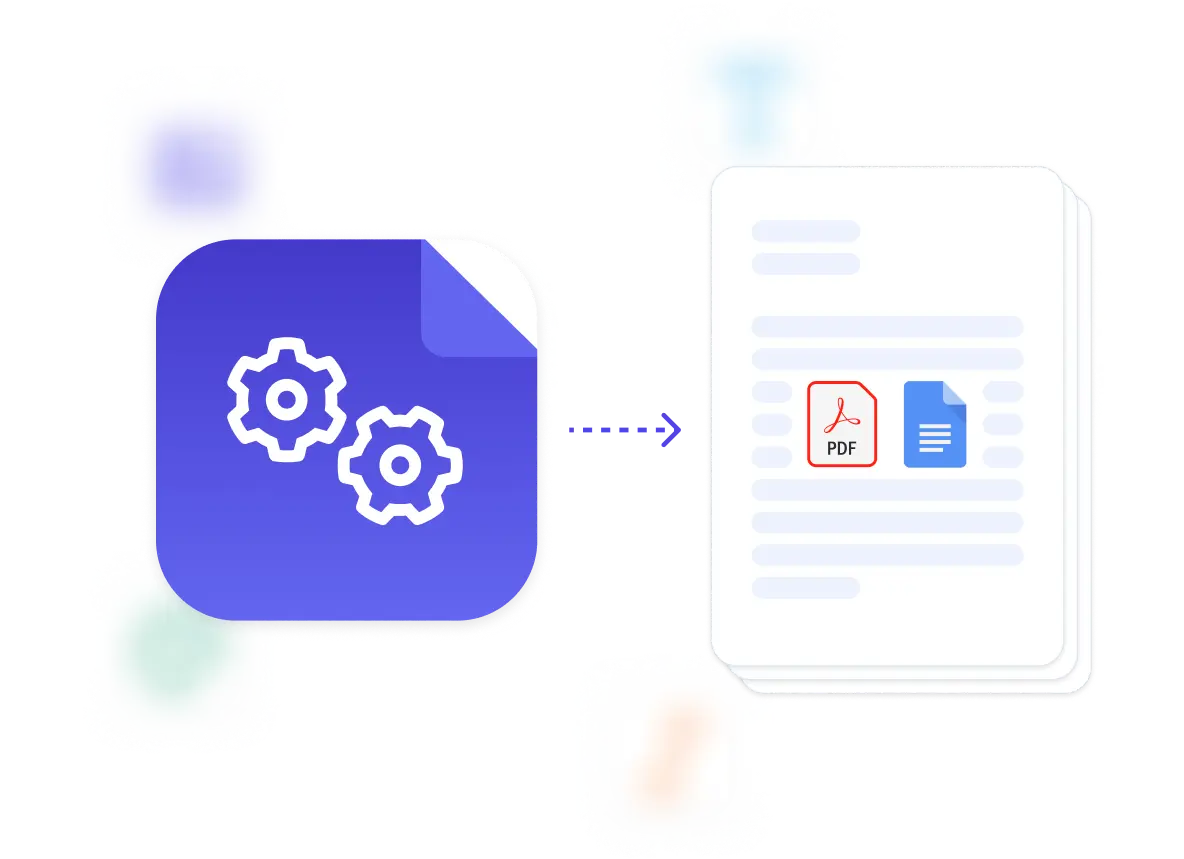
The preview mode helps you test templates against real inspection records before rolling them out to your team. Once you're satisfied with the format, we output both a PDF for distribution and a Google Doc if you need to make property-specific edits. Because we're based on Google Docs, your team already knows how to adjust templates when business needs change.
Real estate teams use DocsAutomator to automate a range of inspection-related documents.
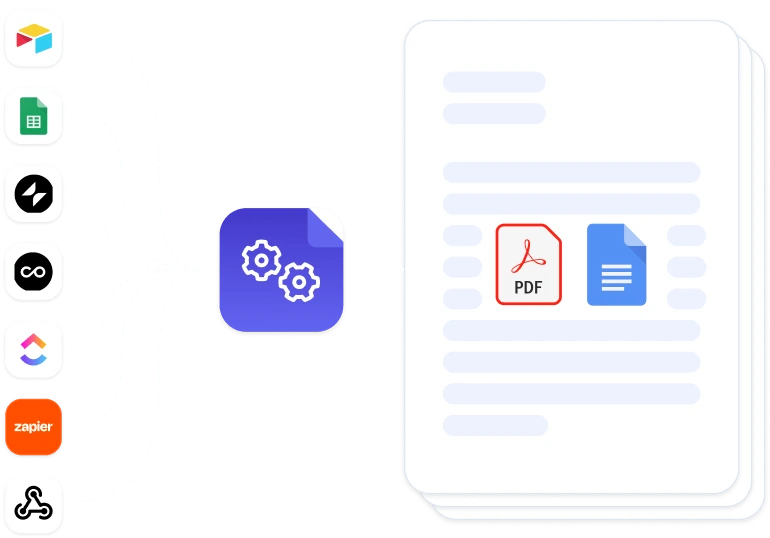
DocsAutomator natively integrates with your favorite apps











Start with our free pre-built templates
To make the start easy, we've created a variety of templates for the most common use cases.



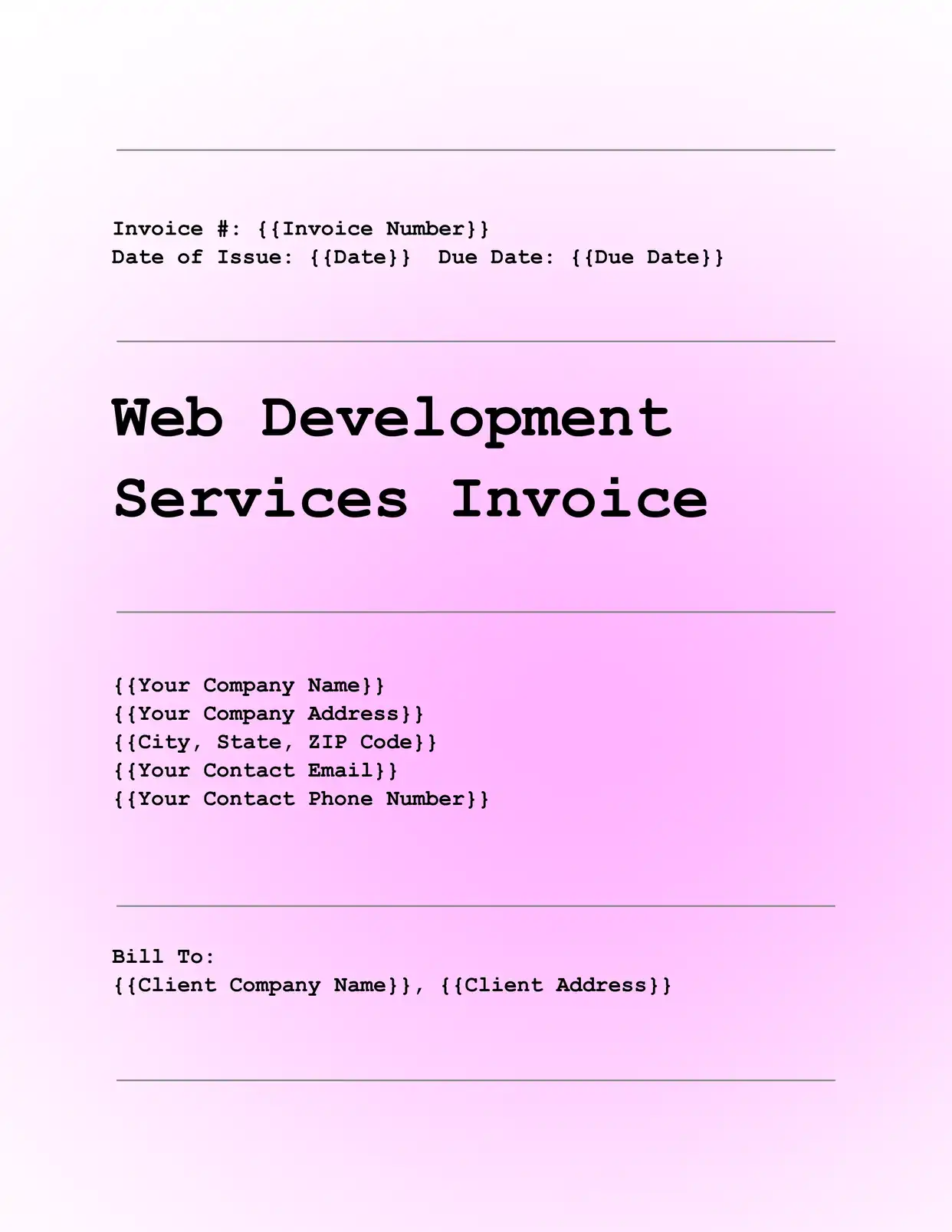


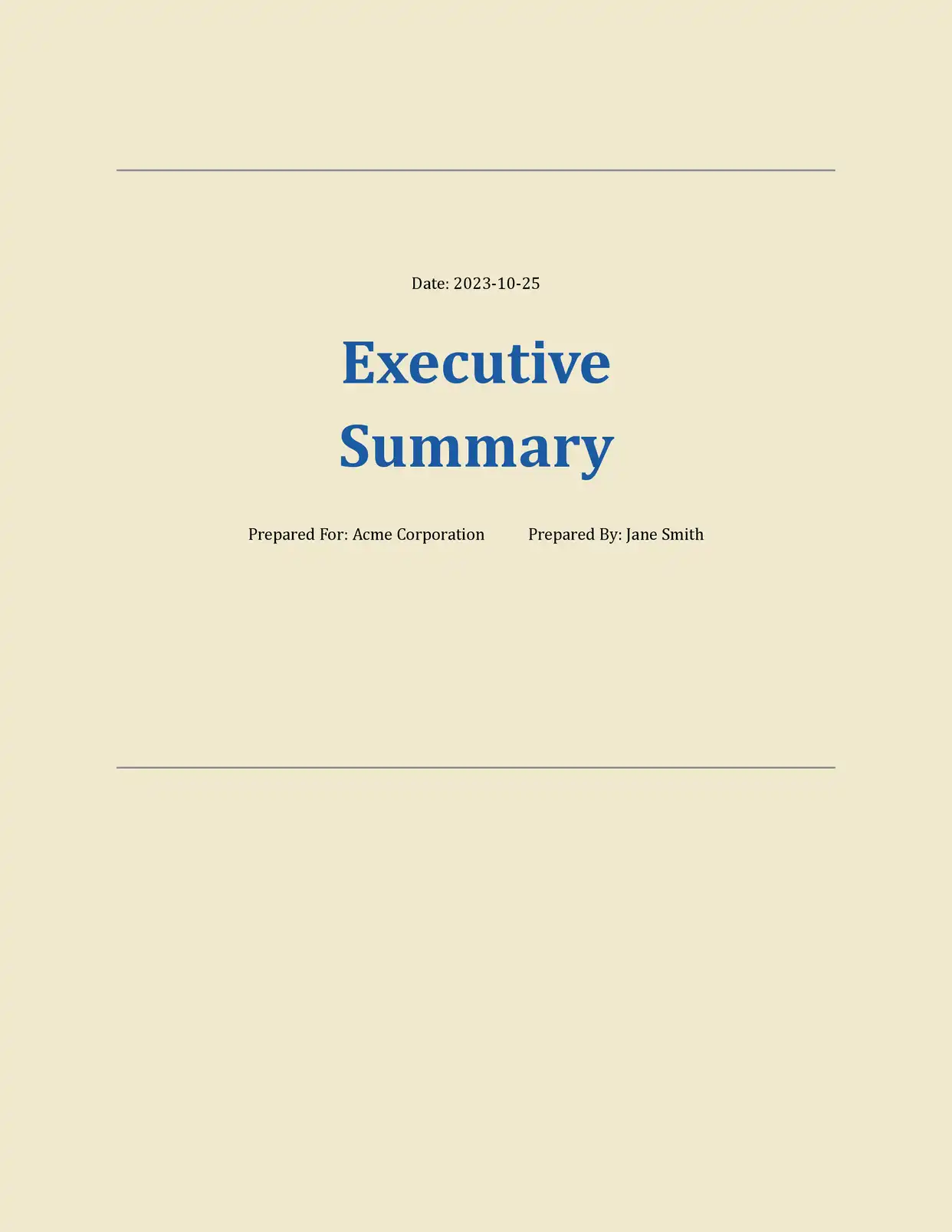
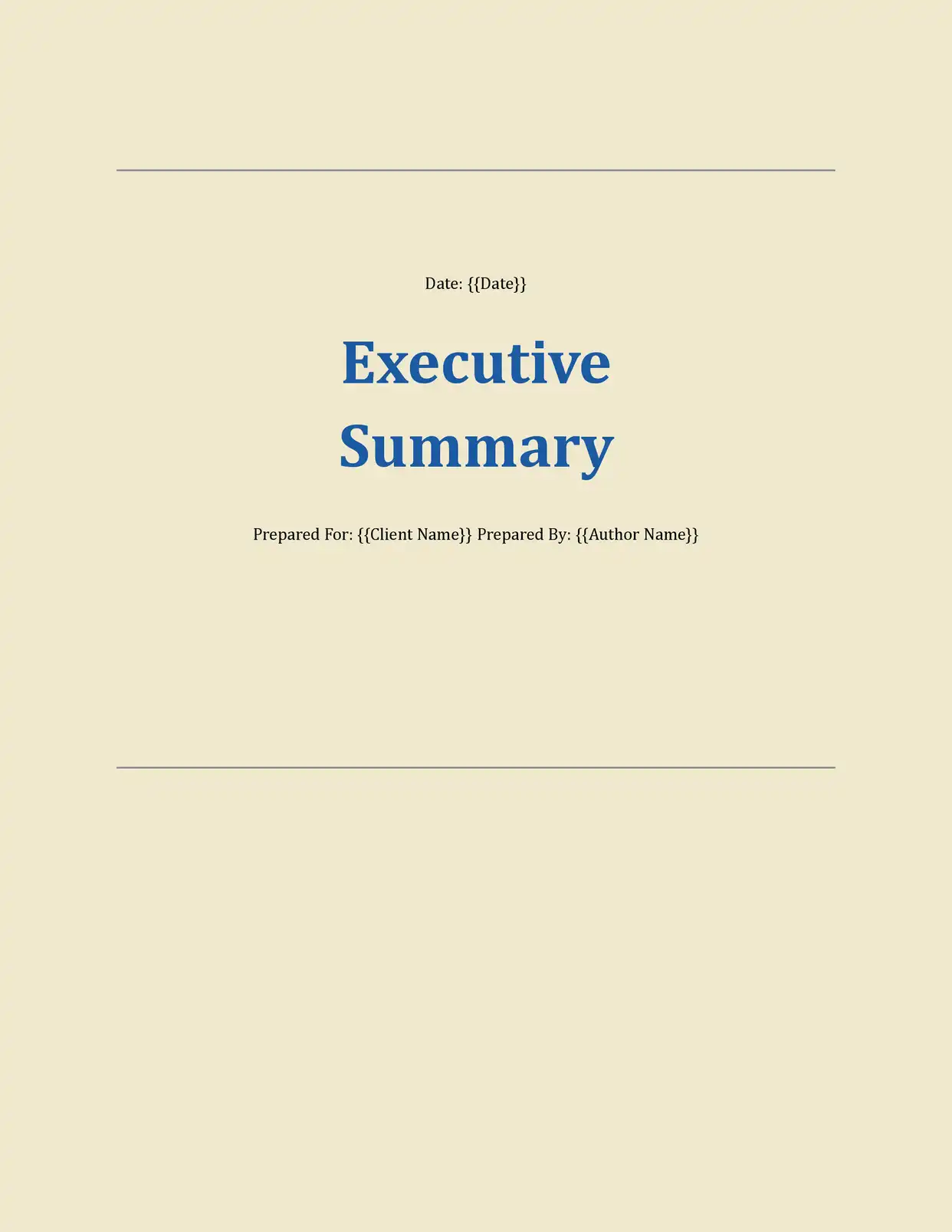
Discover all of our pre-built templates:
View full Template GalleryReady to automate your documents?
Join the 1,215 businesses that trust DocsAutomator with their most critical documents









Unlimited testing, no credit card required