Still creating your documents manually?
Automate Product Specification Sheets from Your Existing Data
Manufacturing and supply chain teams manage product specifications across dozens or hundreds of SKUs, but creating detailed spec sheets manually creates bottlenecks. Product specification sheet automation connects your existing data to templates that generate complete, accurate documents without the repetitive assembly work.

Understanding Product Specification Sheet Automation for Supply Chain Organizations
Manufacturing and distribution teams depend on accurate product specifications to coordinate production, manage quality control, and support customer decisions. As supply chains become more digitally connected, product specification sheet automation addresses the challenge of transforming engineering data, compliance records, and technical attributes into the formatted documents that customers, suppliers, and sales teams actually need. Instead of manually assembling specs from multiple systems or maintaining documentation that drifts from source data, automation generates current spec sheets directly from your product databases and PLM platforms.
For teams managing extensive product lines with frequent engineering changes, multiple variants, or complex regulatory requirements, this removes the lag between specification updates and documentation distribution. The particular challenges supply chain organizations face with specification management reveal where automation delivers the strongest impact.
Start automating documents in minutes!
Why Supply Chain Teams Need Product Specification Sheet Automation
Product data lives in engineering systems and databases, but customers, distributors, and internal teams need formatted documents they can review, share, and reference during purchasing decisions. The gap between these two states creates friction when product portfolios expand or specifications evolve.
- Specifications scatter across disconnected systems: Engineering details exist in PLM databases, material properties sit in supplier systems, certifications live as separate files, and regulatory information resides in compliance platforms. Assembling one complete spec sheet means gathering data from multiple sources and ensuring everything aligns correctly, which takes time when dealing with hundreds of products.
- Manual updates struggle to match engineering velocity: When specifications change because of design improvements, material substitutions, updated test results, or new certifications, someone needs to identify every affected spec sheet and revise it. For product families with shared components or materials used across multiple SKUs, a single change can require updating dozens of documents, and some inevitably get missed.
- Inconsistent formatting creates downstream confusion: Different people create spec sheets using different templates, terminology, and detail levels. Regional sales teams might distribute conflicting specifications for identical products, which creates problems when customers compare documents or distributors place orders based on outdated information they received months earlier.
- Documentation delays hold up market-ready products: Products clear engineering validation and pass quality checks, but if specification documents aren't finished, sales teams can't generate accurate quotes, distributors can't add items to their systems, and customers can't evaluate them against competing options. The documentation process becomes the constraint rather than actual product development.
These challenges reflect what happens when product information management doesn't extend to document distribution. The data stays current in your systems of record, but converting it into the formatted spec sheets that business operations require involves manual effort that introduces delays and inconsistencies. Document generation automation maintains synchronization between source data and distributed documents while producing the professional formats stakeholders expect.
How DocsAutomator Delivers Product Specification Sheet Automation for Supply Chain Organizations
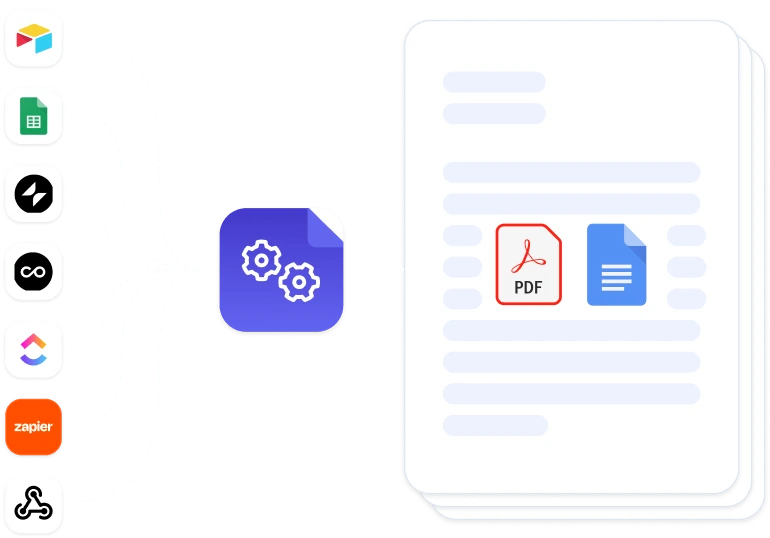
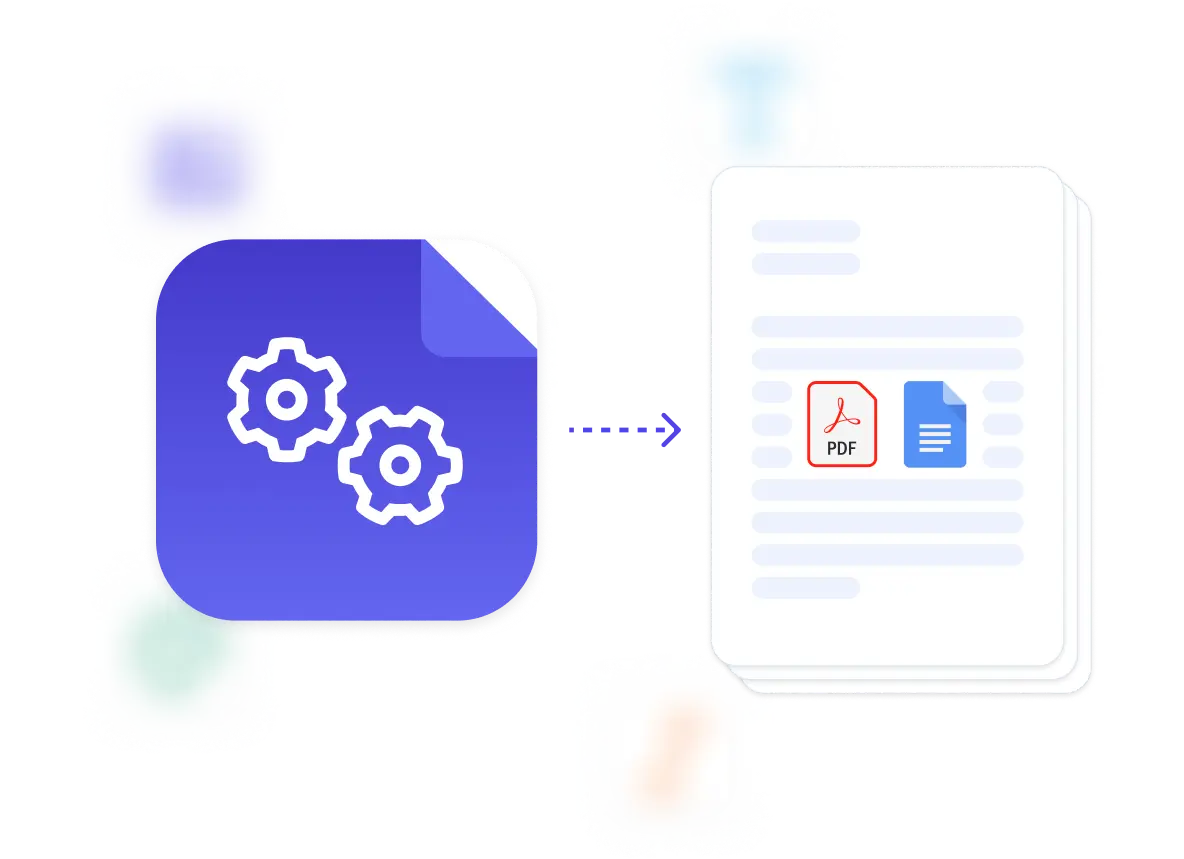
The system bridges your product data and the specification documents you distribute. You create a Google Docs template that matches your standard spec sheet format, including sections for technical specifications, materials, compliance information, usage guidelines, and any other content your industry or customers require. The template establishes the structure once, using placeholders where product-specific information appears. Then you connect that template to your data source, whether that's Airtable tracking your product catalog, ClickUp managing development pipelines, an ERP system, a PLM platform, or custom databases via API.
When you need spec sheets, the system pulls relevant product records and generates complete documents. Dynamic tables automatically format specification lists, dimension charts, or material property tables without manual construction. Conditional sections ensure content about hazardous materials only appears for products requiring safety documentation, international certifications only display for export items, and variant-specific details only populate when relevant to that particular SKU. Image insertion places product photos, technical diagrams, dimension drawings, or certification logos directly where they belong in your documents.
This scales whether you manage ten products or ten thousand. A small manufacturer with a focused product line generates spec sheets as readily as a distributor coordinating documentation across multiple suppliers and extensive product catalogs, all using the same underlying approach.
DocsAutomator natively integrates with your favorite apps









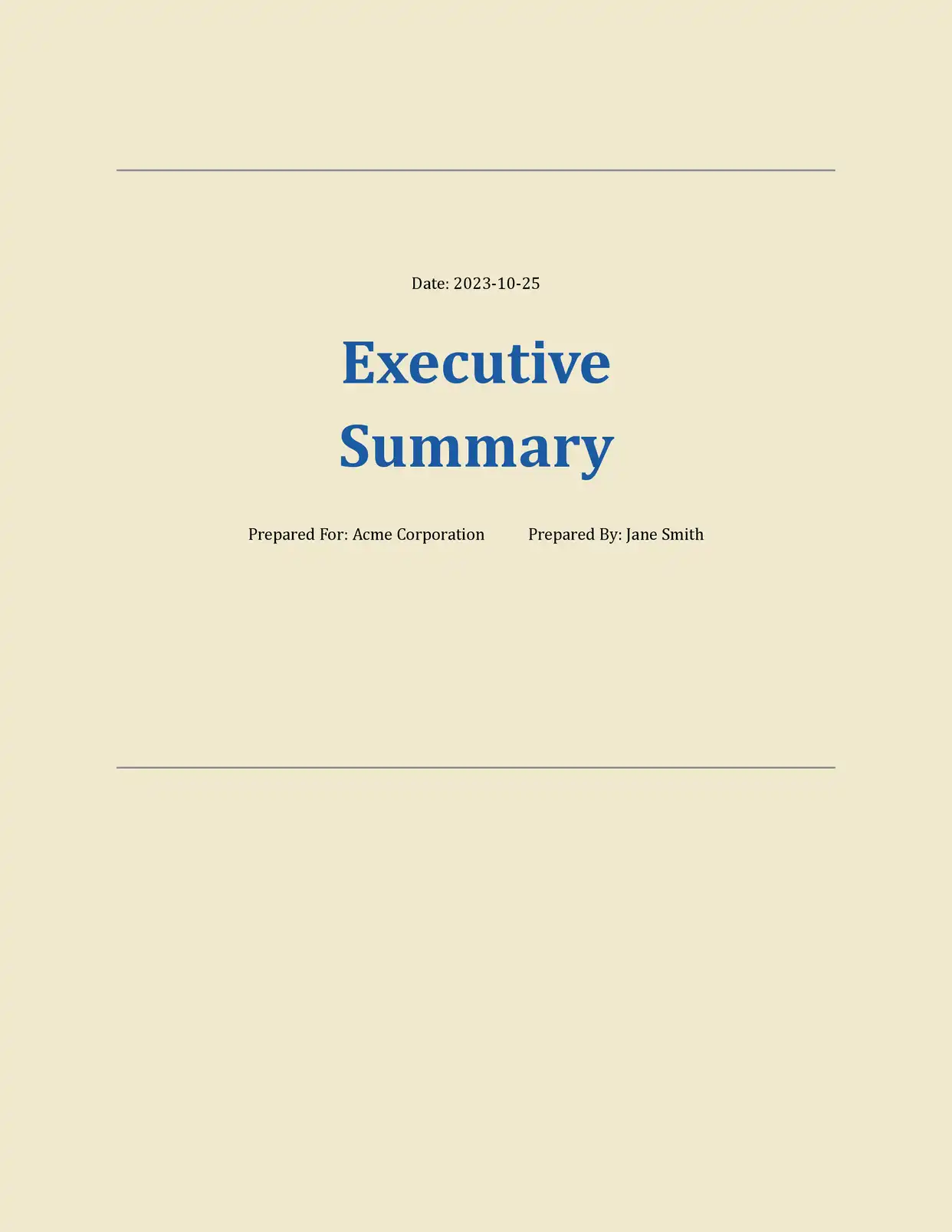
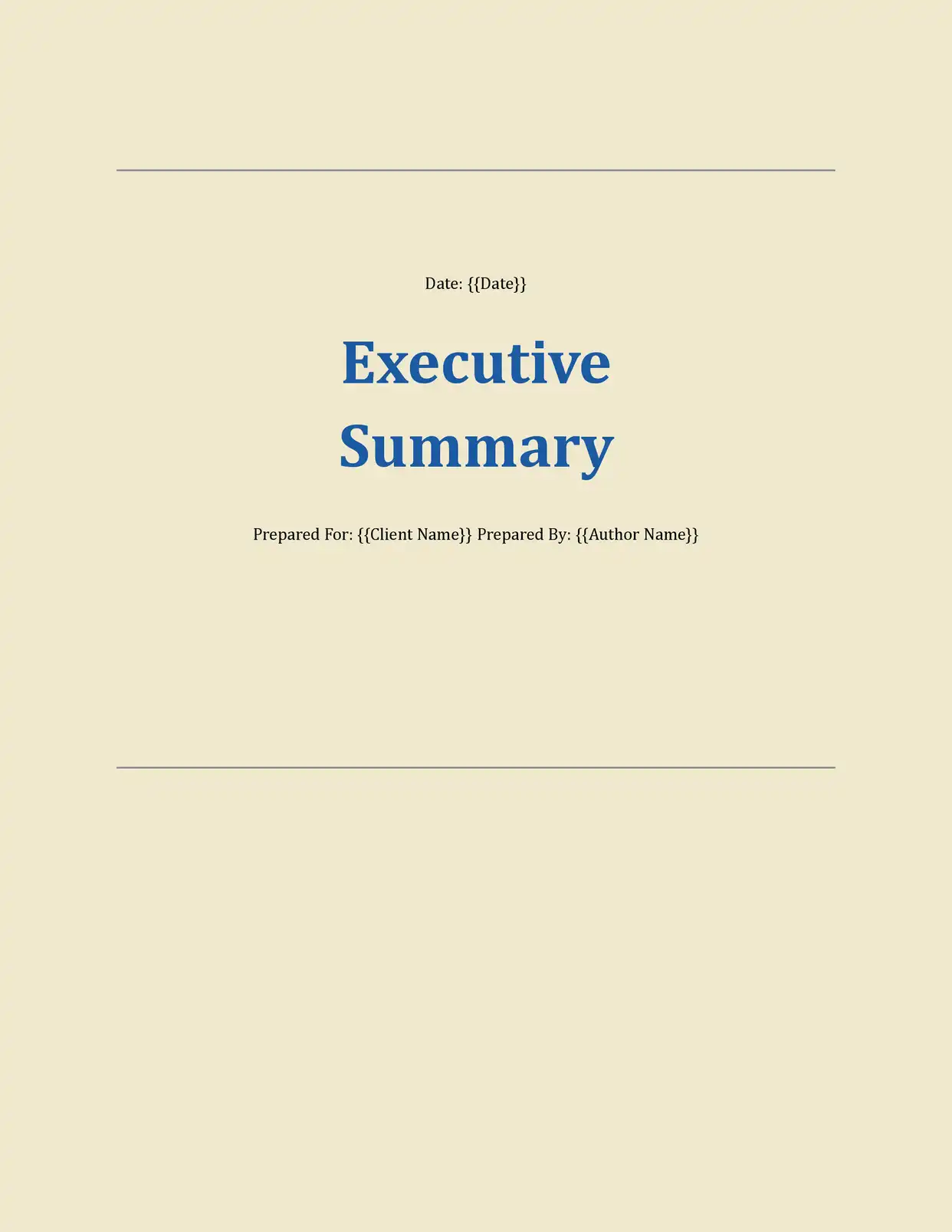
Start with our free pre-built templates
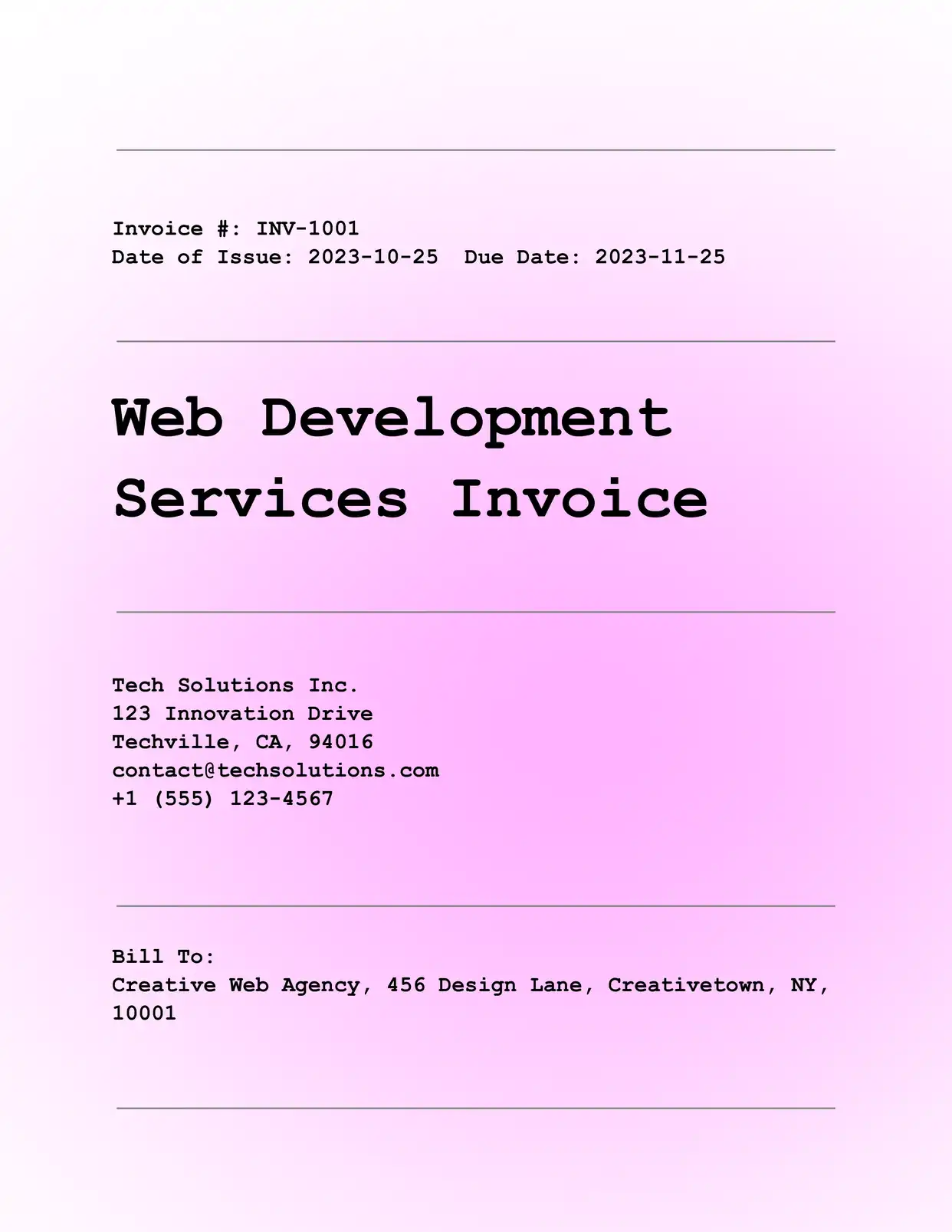
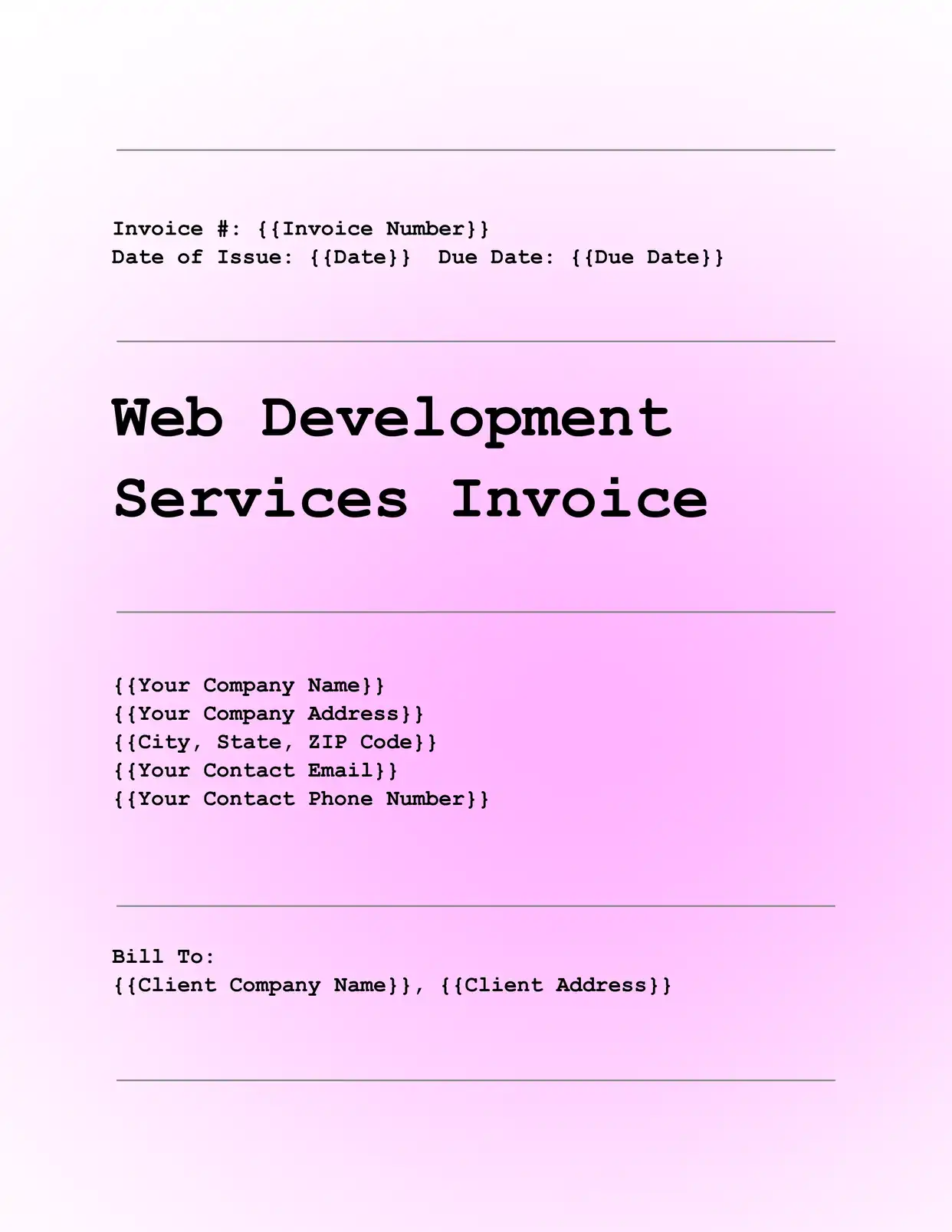
To make the start easy, we've created a variety of templates for the most common use cases.






Discover all of our pre-built templates:
View full Template GalleryReady to automate your documents?
Join the 1,215 businesses that trust DocsAutomator with their most critical documents









Unlimited testing, no credit card required