Still creating your documents manually?
Generate Contracts Management Training Materials Automatically
Organizations need to train employees on contract management processes, compliance requirements, and approval workflows. Training material automation transforms how HR and legal teams create these documents by generating customized guides, manuals, and checklists from structured data instead of manually updating static files.

Understanding Contracts Management Training for HR Organizations
Teams across sales, procurement, legal, and operations handle contracts differently, but everyone needs to understand organizational policies, approval workflows, and compliance requirements. As organizations prioritize continuous learning and development, contracts management training automation ensures employees receive current, role-appropriate guidance without HR teams manually updating dozens of training documents every time processes change. Instead of maintaining static PDFs that become outdated quickly, automation generates training materials from structured information about your actual contract workflows and policies.
By connecting Google Docs templates with your HR systems, policy databases, or training platforms, this approach keeps training materials synchronized with how your organization actually manages contracts today. When approval thresholds change, new compliance requirements emerge, or contract systems get updated, training materials automatically reflect these changes rather than requiring manual document editing across multiple files. For teams responsible for employee education, vendor management training, or compliance certification, this eliminates the disconnect between what training says and what current procedures actually require.
Start automating documents in minutes!
Why HR Teams Need Training Material Automation
Contract management knowledge needs to spread across departments, but traditional training documentation struggles to keep pace with organizational change.
- Outdated materials teach incorrect processes: Your contracts management procedures evolve as systems change, approval hierarchies shift, or compliance requirements update. But training documents remain static until someone manually revises them. This means new hires learn outdated workflows, existing employees reference incorrect approval limits, and compliance training contradicts current policies.
- Manual updates consume HR and legal resources: When contract processes change, updating training materials means editing multiple documents, adjusting screenshots, revising procedure steps, and redistributing files to various teams. This administrative burden delays training updates or causes HR teams to postpone process improvements because updating training materials becomes its own project.
- Consistency breaks across different departments: Sales needs contract training focused on customer agreements, procurement requires vendor contract guidance, and operations needs service agreement training. Creating these variations manually means some departments get comprehensive materials while others work from generic documents that don't address their specific contract types or workflows.
- Onboarding delays when materials need customization: New employees in different roles need different contract management training. Creating role-specific materials for each new hire manually means onboarding slows down while HR assembles the right combination of documents, or new employees receive generic training that doesn't match what their job actually requires.
These challenges reflect how manual training document management fails to match organizational complexity. Document workflow automation keeps training materials current with actual contract management practices.
How DocsAutomator Delivers Training Material Generation for HR Organizations
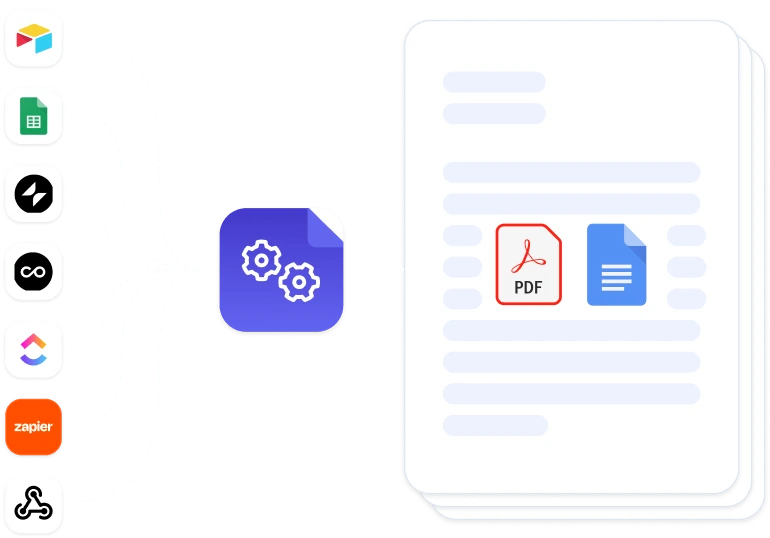
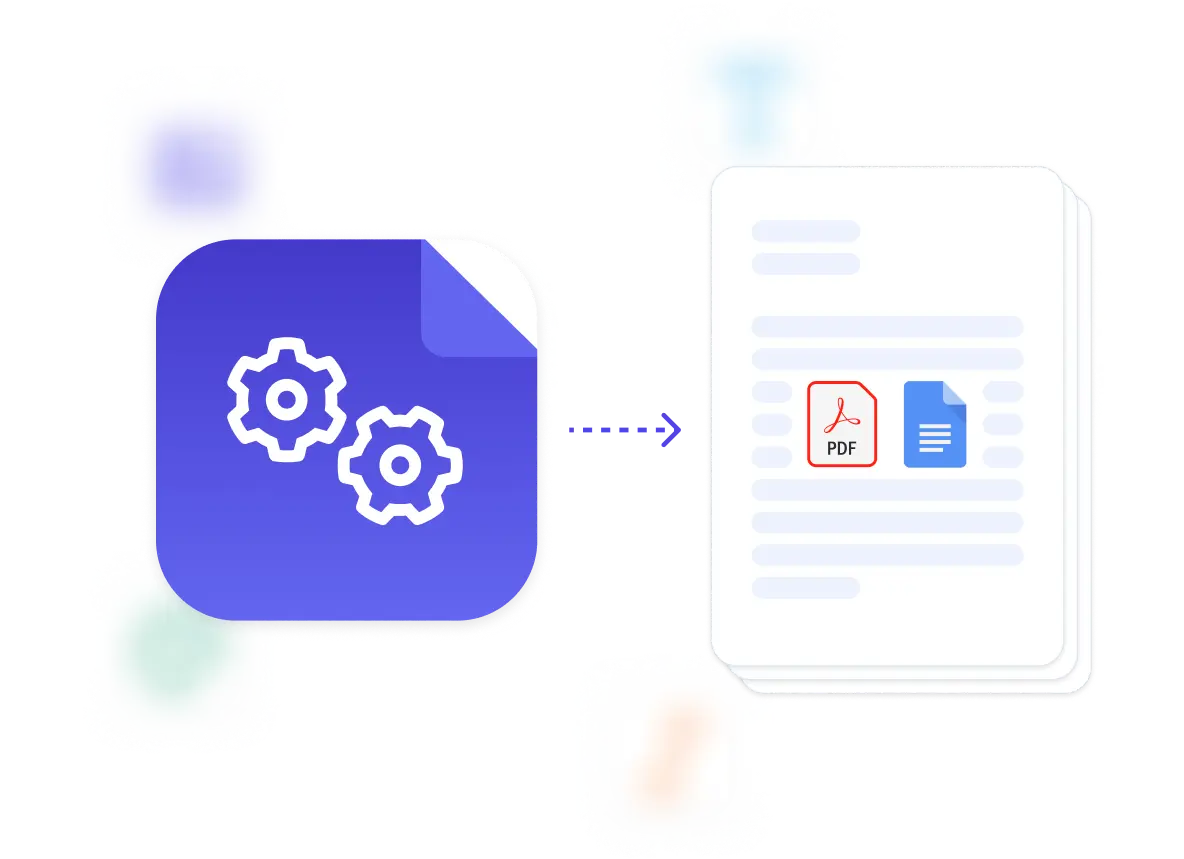
DocsAutomator generates training materials from templates connected to your current policies and procedures. You create Google Docs templates that define training document structure once, including sections for contract workflows, approval processes, compliance requirements, system instructions, and role-specific responsibilities. These templates use placeholders where information varies by department, role, contract type, or approval level.
Then you connect those templates to your source of truth, whether that's Airtable bases documenting current policies and procedures, your HRIS tracking role information and training requirements, a knowledge base maintaining compliance guidelines, or custom systems through API integration. When you need training materials for new hires, process updates, or compliance certification, the system generates current documents based on your actual policies rather than static files someone created months ago.
Dynamic tables automatically format approval workflows, contract type matrices, or compliance checklists that adjust based on department or role. Conditional sections mean sales-specific contract guidance only appears in sales training, procurement procedures show up for purchasing teams, and legal review requirements populate only for contracts above certain thresholds. This keeps each training document focused on what specific roles actually need to know.
When your contract management processes change, you update the information in your data source once, and newly generated training materials automatically reflect current procedures. This works whether you're creating employee onboarding checklists for contract management responsibilities or comprehensive training guides for legal compliance requirements. The document automation approach means training materials stay synchronized with operational reality rather than becoming outdated references.
DocsAutomator natively integrates with your favorite apps











Start with our free pre-built templates
To make the start easy, we've created a variety of templates for the most common use cases.


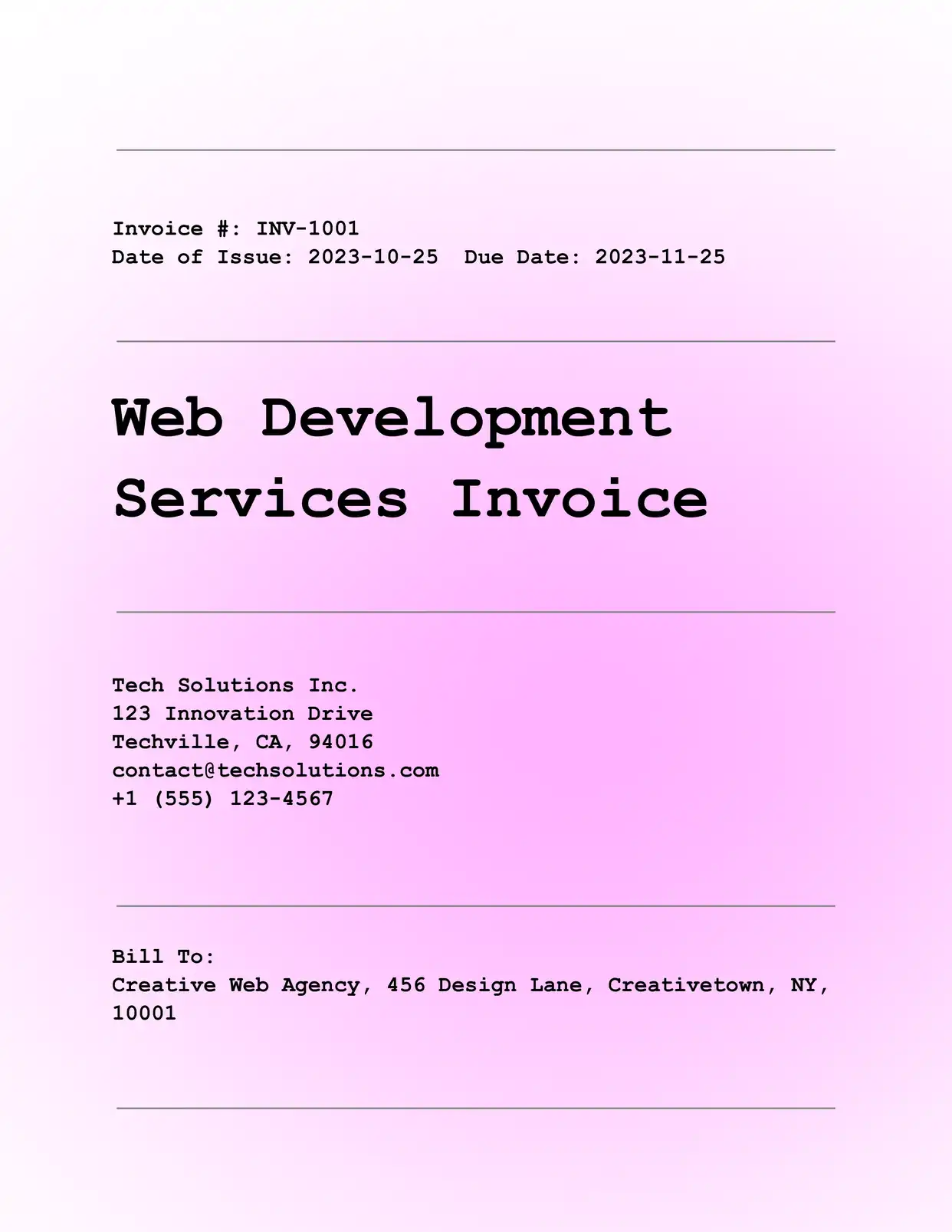
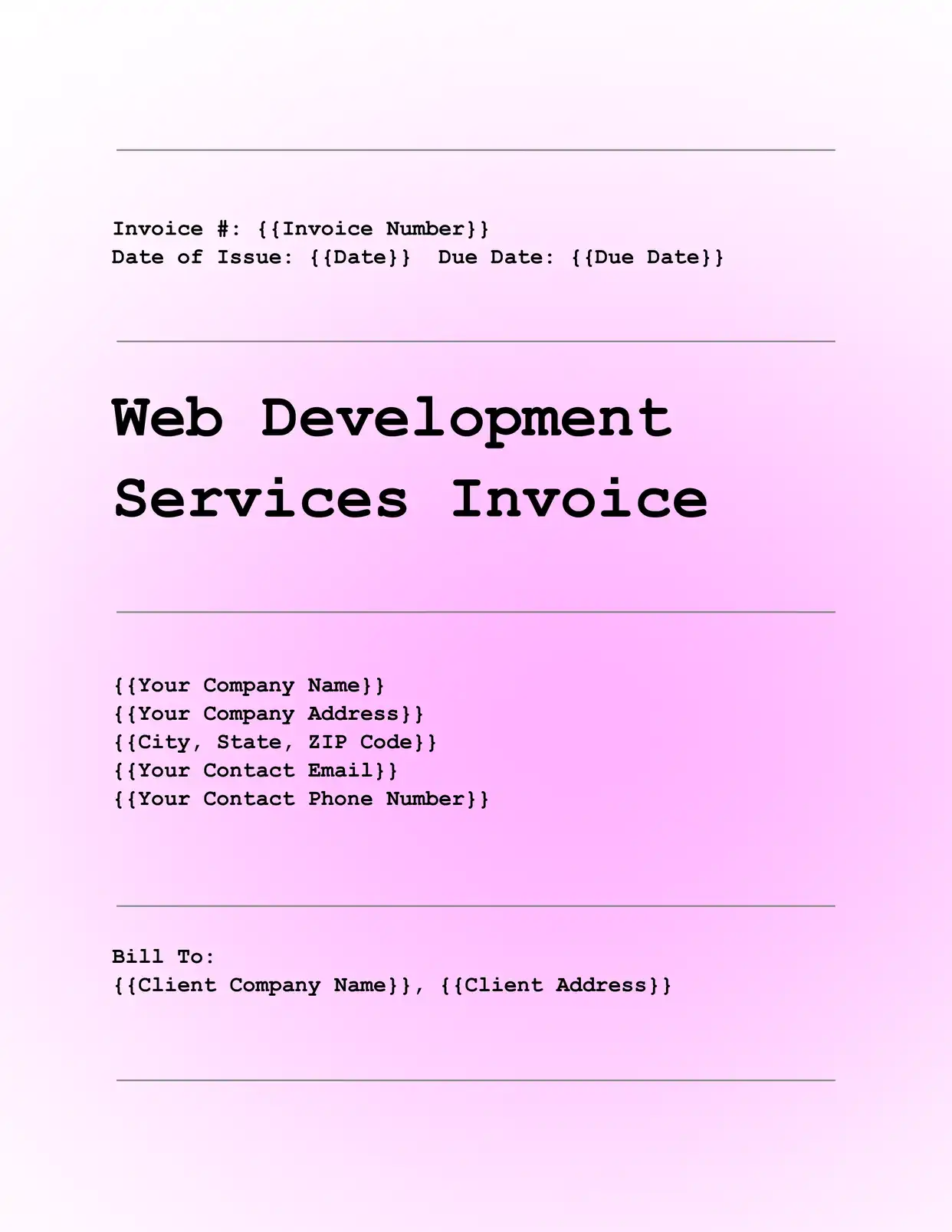


Discover all of our pre-built templates:
View full Template GalleryReady to automate your documents?
Join the 1,215 businesses that trust DocsAutomator with their most critical documents









Unlimited testing, no credit card required