Still creating your documents manually?
Automate Capacity Management Reports for Operations Teams
Generate capacity management reports from operations data to communicate resource utilization, identify constraints, and support capacity planning decisions.

Understanding Capacity Management Reports for SMB Business Organizations
Capacity management in operations management involves monitoring, analyzing, and planning the resources needed to meet demand while optimizing utilization and avoiding constraints. Research from McKinsey on operations excellence shows that data-driven capacity management improves operational efficiency and supports better planning decisions. Operations teams traditionally extract utilization data from production systems, demand forecasts from sales planning, and resource allocations from scheduling tools before formatting reports manually for stakeholders. This effectiveness comes from connecting your Google Docs templates with your operations platform, Airtable capacity tracker, or production management system, so reports generate with accurate utilization metrics, forecast projections, and capacity analyses already formatted. Your operations team delivers professional capacity reports without manual data compilation.
Start automating documents in minutes!
Why SMB Business Teams Need Capacity Reporting Automation
Operations managers face capacity reporting challenges that affect planning quality and stakeholder communication.
- Data Aggregation Complexity: Capacity reports require data from production systems, workforce scheduling, equipment monitoring, and demand forecasting. Consolidating this information manually is time-consuming and error-prone.
- Reporting Frequency Limitations: Manual report preparation limits how often stakeholders receive capacity updates. Infrequent reporting can mean capacity constraints are not identified until they impact operations.
- Scenario Planning Needs: Capacity planning requires analyzing multiple scenarios with different demand assumptions. Creating scenario-based reports manually multiplies preparation effort.
- Stakeholder Communication: Different audiences need different levels of capacity detail, from executive summaries to detailed operational analyses. Creating multiple report formats strains resources.
These operations management demands explain why teams implement reporting automation for their capacity management processes.
How DocsAutomator Delivers Capacity Reporting for SMB Business Organizations
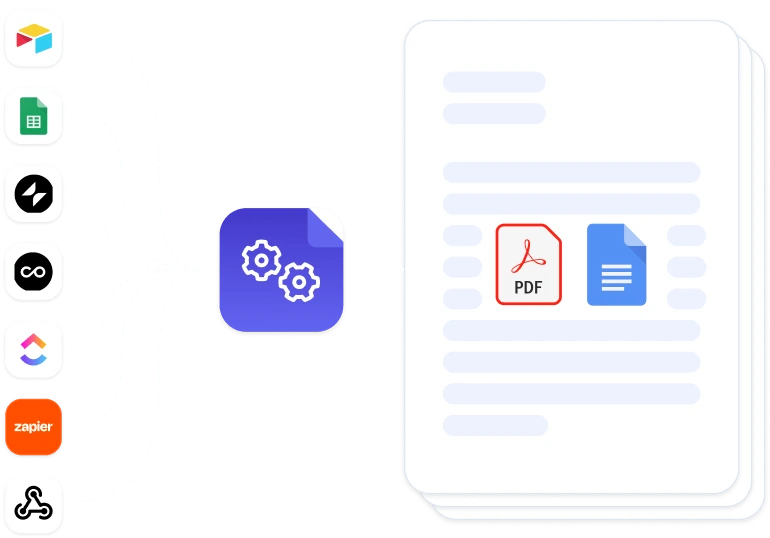
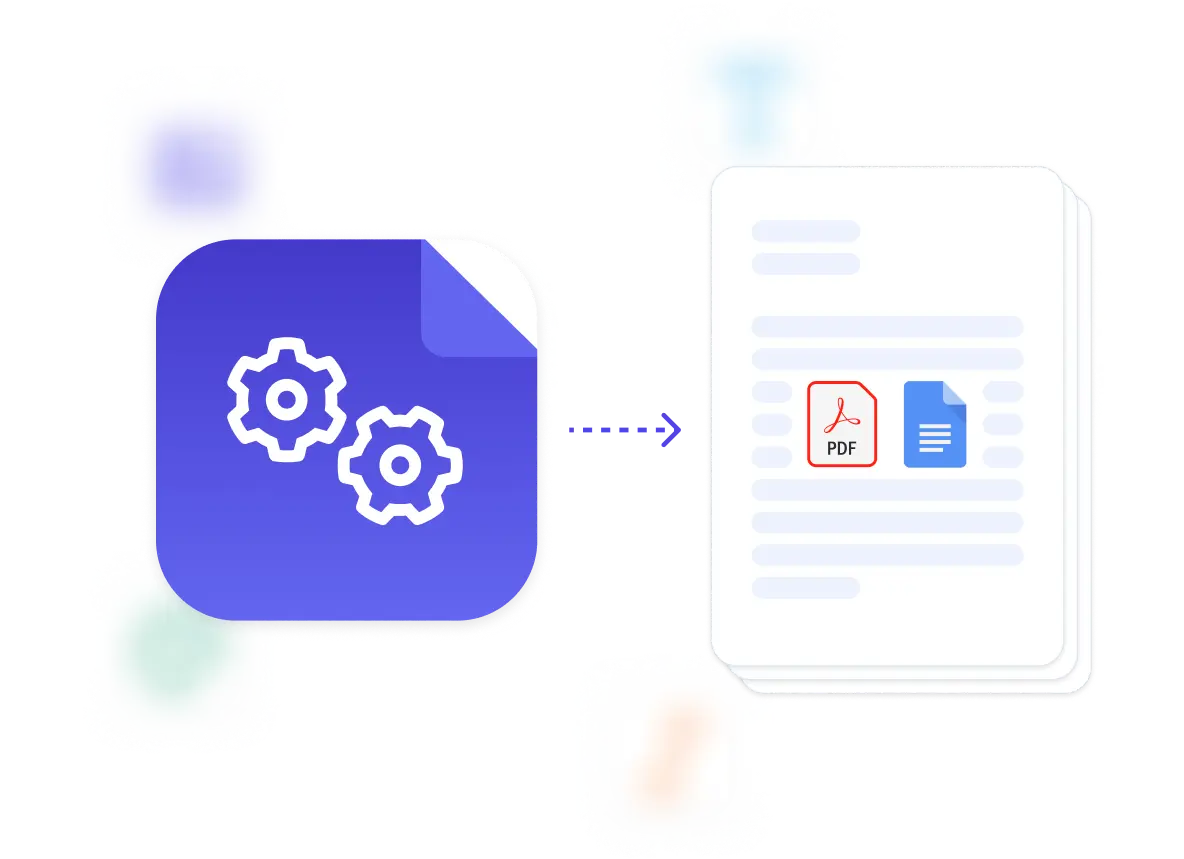
We connect your operations data directly to Google Docs templates, generating capacity reports automatically on your reporting schedule. Utilization rates, capacity metrics, demand forecasts, and resource allocations flow from your operations platform or Airtable capacity database into formatted reports ready for stakeholder distribution.
The system handles capacity reporting complexity naturally. Dynamic tables present utilization breakdowns, resource allocations, or forecast projections from your operations data. Conditional logic includes appropriate content based on report type and audience, so executive summaries show key metrics while operational reports include detailed resource analyses. Scenario comparisons, trend analyses, and constraint identifications format automatically from your planning data.
This works through native integrations with Airtable, Google Sheets, ClickUp, and similar platforms, plus our flexible API for connecting to production management systems and operations platforms. Output is PDF for formal distribution, with optional Google Docs format when reports need collaborative input before finalization. See our quarterly report template for related formats. Teams also benefit from understanding automated document generation for operations reporting.
DocsAutomator natively integrates with your favorite apps











Start with our free pre-built templates
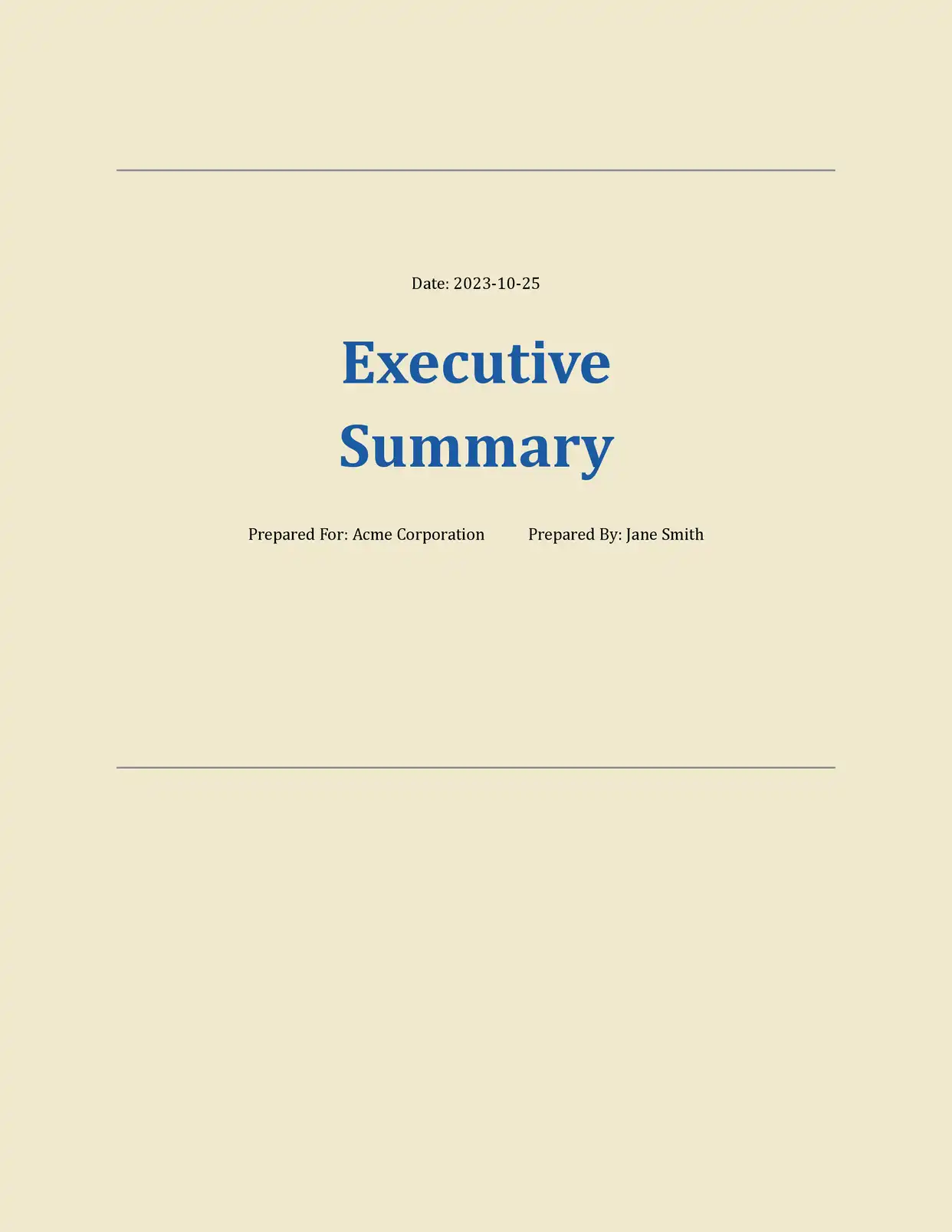
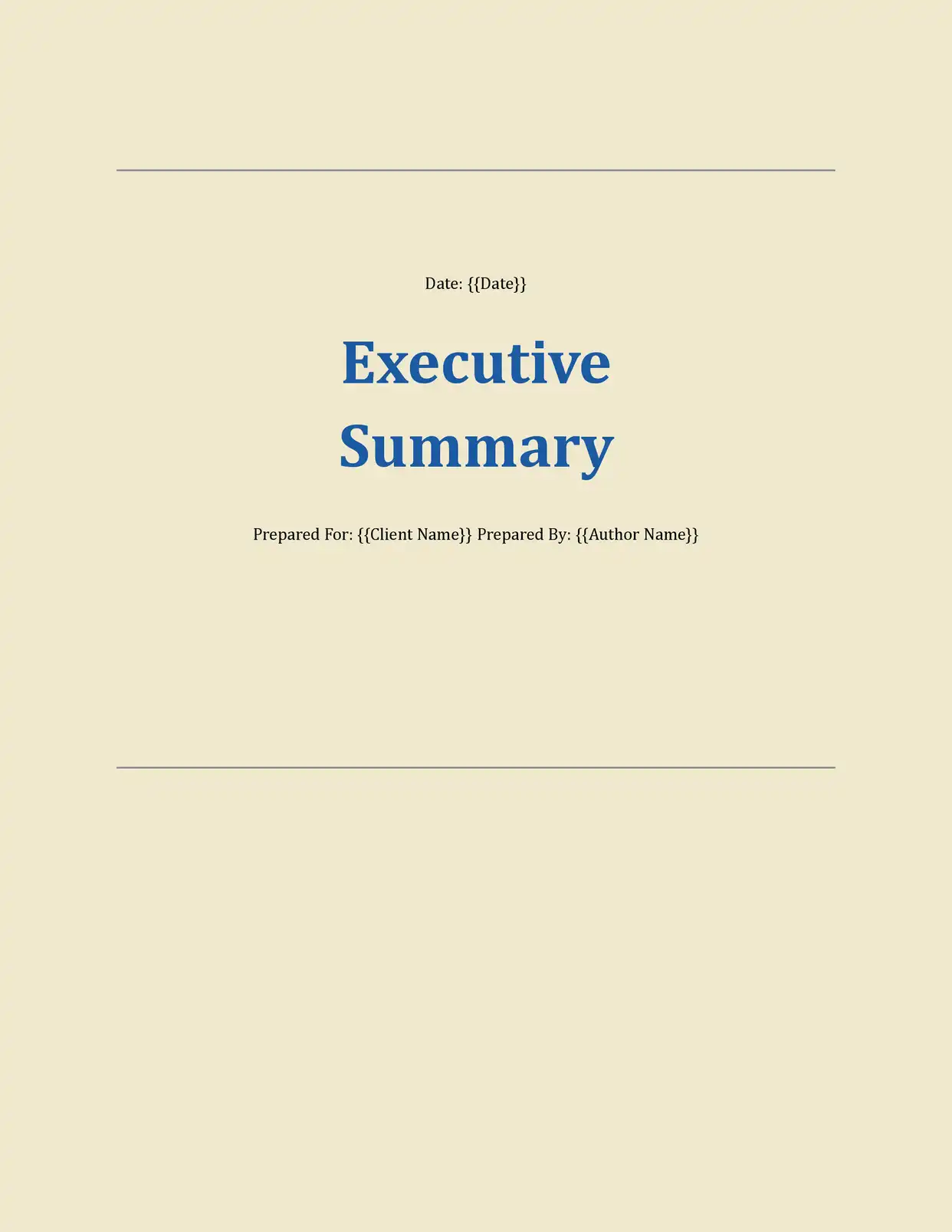
To make the start easy, we've created a variety of templates for the most common use cases.
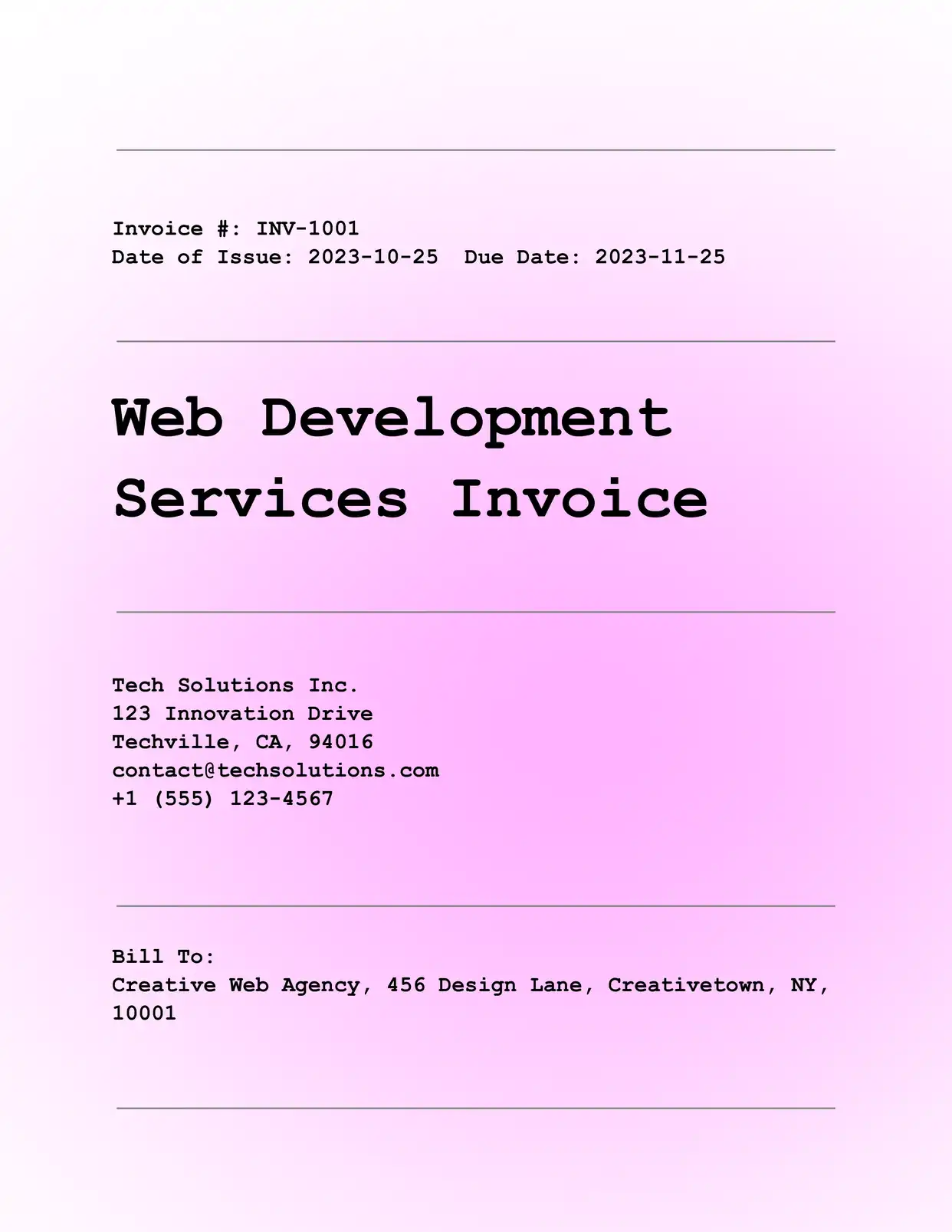
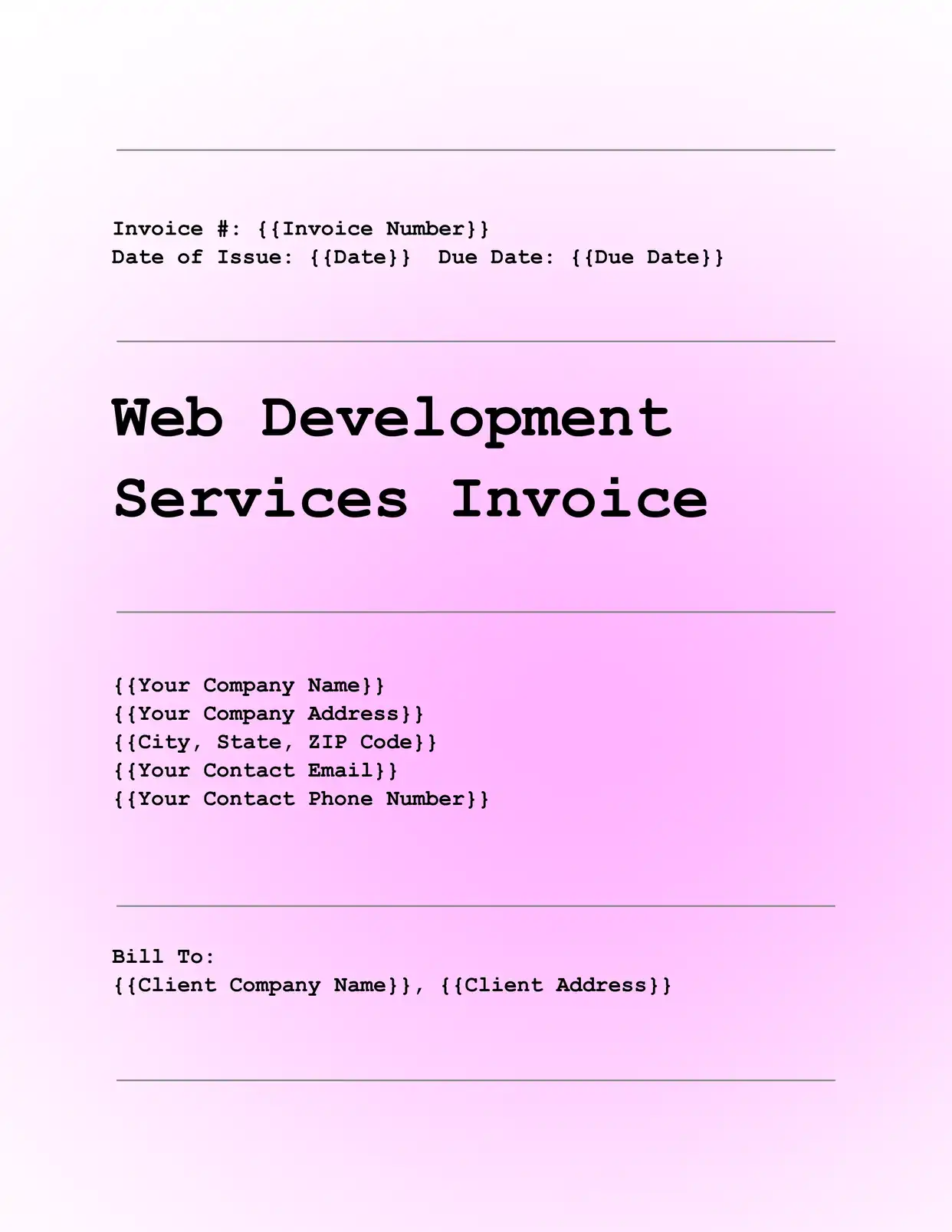




Discover all of our pre-built templates:
View full Template GalleryReady to automate your documents?
Join the 1,215 businesses that trust DocsAutomator with their most critical documents









Unlimited testing, no credit card required