Still creating your documents manually?
Artist Management Contract Automation for Entertainment Teams
Entertainment agencies and management companies handle contracts for multiple artists, venues, and deals simultaneously. Artist management contract automation transforms how these agreements get created, pulling data from your systems to generate complete, accurate contracts without the manual drafting work.
Understanding Artists Management Contracts Automation for Entertainment Organizations
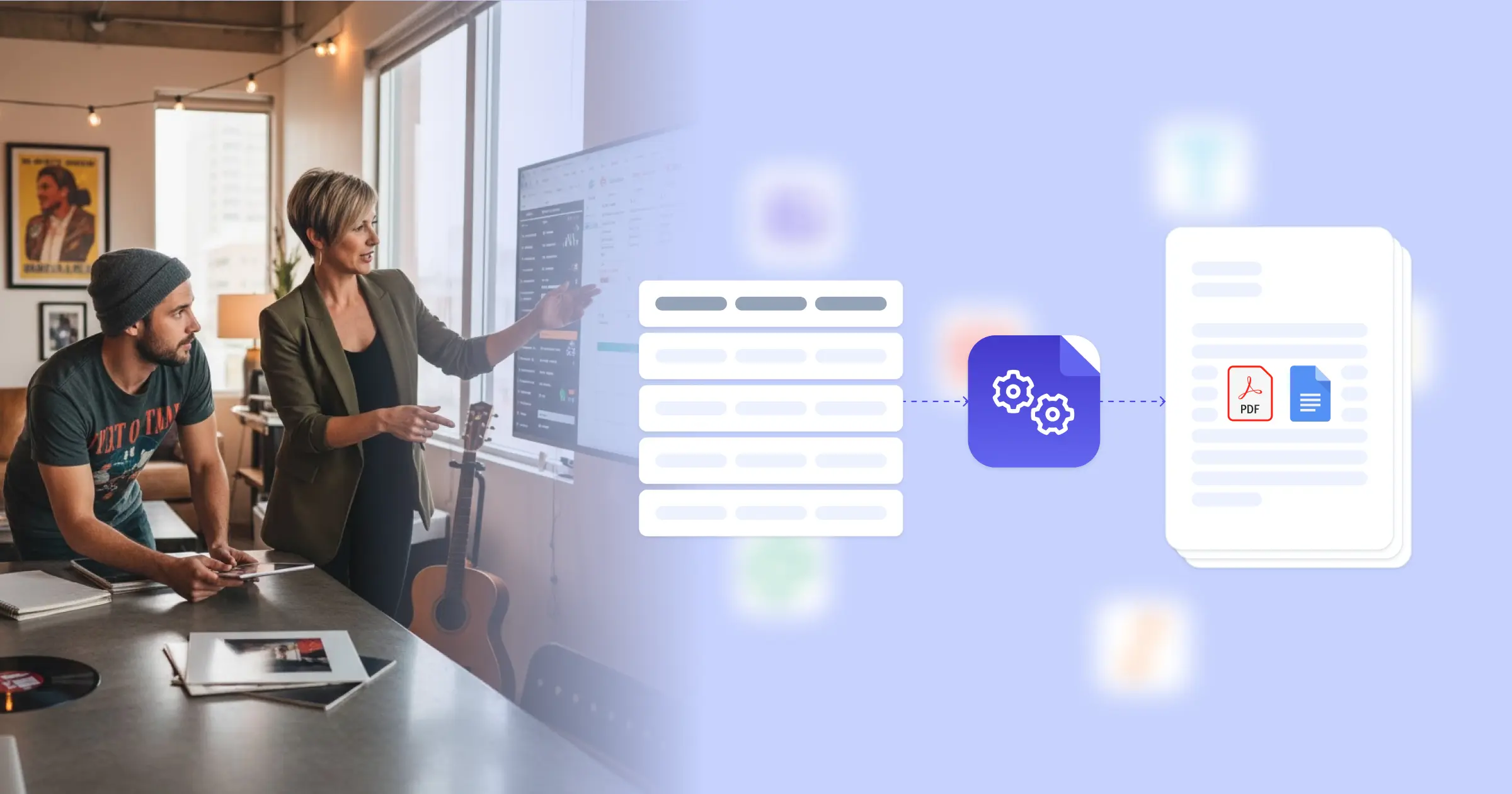
Entertainment management involves coordinating deals between artists, venues, labels, brands, and production companies, which means contracts flow through agencies constantly. As the music industry continues to evolve with streaming, digital distribution, and new revenue models, artist management contract automation addresses the challenge of creating these agreements quickly while maintaining the legal precision each deal requires. Instead of starting from blank documents or hunting through old files for similar contracts, automation pulls the relevant details from your systems and generates complete agreements ready for review.
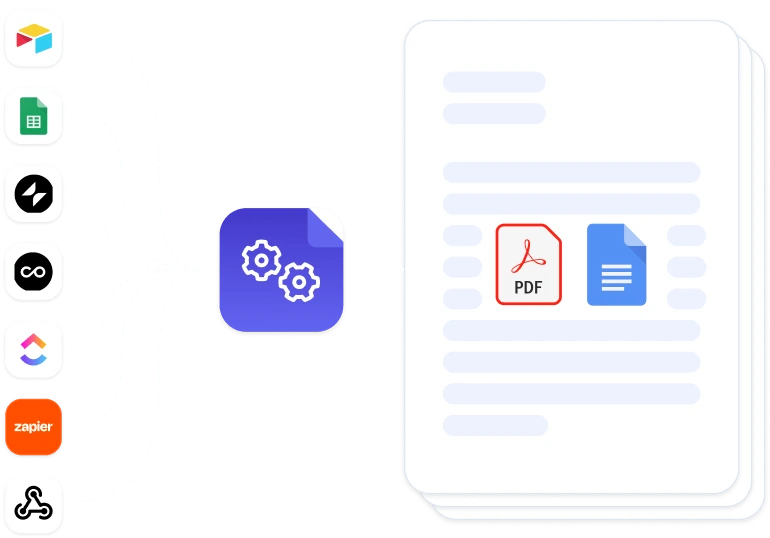
DocsAutomator makes this practical for entertainment teams by working with Google Docs templates you design once. You connect those templates to wherever your deal information lives, whether that's Airtable bases tracking artist rosters and active deals, ClickUp projects managing tour logistics, Glide apps your team uses in the field, or custom management software via API. When a new artist signs on or a venue books a performance, the relevant contract generates automatically with all the specific terms, dates, and payment details already filled in.
For agencies representing multiple artists or managers juggling touring schedules, brand deals, and recording sessions simultaneously, this approach means contracts keep pace with business activity instead of creating bottlenecks. Understanding the specific pressures entertainment teams face helps explain where this automation creates the most value.
Start automating documents in minutes!
Why Entertainment Teams Need Contract Automation
Artist management moves fast, with opportunities appearing and closing in compressed timeframes. Traditional contract creation struggles to match this pace, which creates real problems when deals depend on quick turnaround.
- Deal velocity outpaces contract creation: When a festival offers a slot or a brand wants to move on an endorsement deal, you need contracts in hours, not days. Manual drafting means opportunities cool off while you're still building documents.
- Multiple deal types require different contract structures: Tour agreements need technical riders and cancellation policies, recording contracts require rights and royalty clauses, brand deals need usage terms and deliverables. Maintaining accurate templates for each deal type while keeping them current with legal requirements takes constant attention.
- Artist-specific terms live in scattered places: Commission rates sit in one system, contact details in another, past deal terms in email threads, and technical requirements in spreadsheets. Assembling this information into each new contract means hunting through multiple sources.
- Version control becomes chaotic with active rosters: When you're managing contracts for ten or twenty artists simultaneously, tracking which version went to which party, what terms were negotiated, and what still needs signatures creates administrative overhead that pulls focus from actual artist development.
These challenges don't reflect disorganization. They come from the reality of entertainment management, where each artist relationship is unique, deals happen quickly, and the business model depends on executing multiple agreements efficiently. Contract automation keeps the important parts, the negotiation and relationship building, while removing the repetitive document assembly work.
How DocsAutomator Delivers Contract Automation for Entertainment Organizations
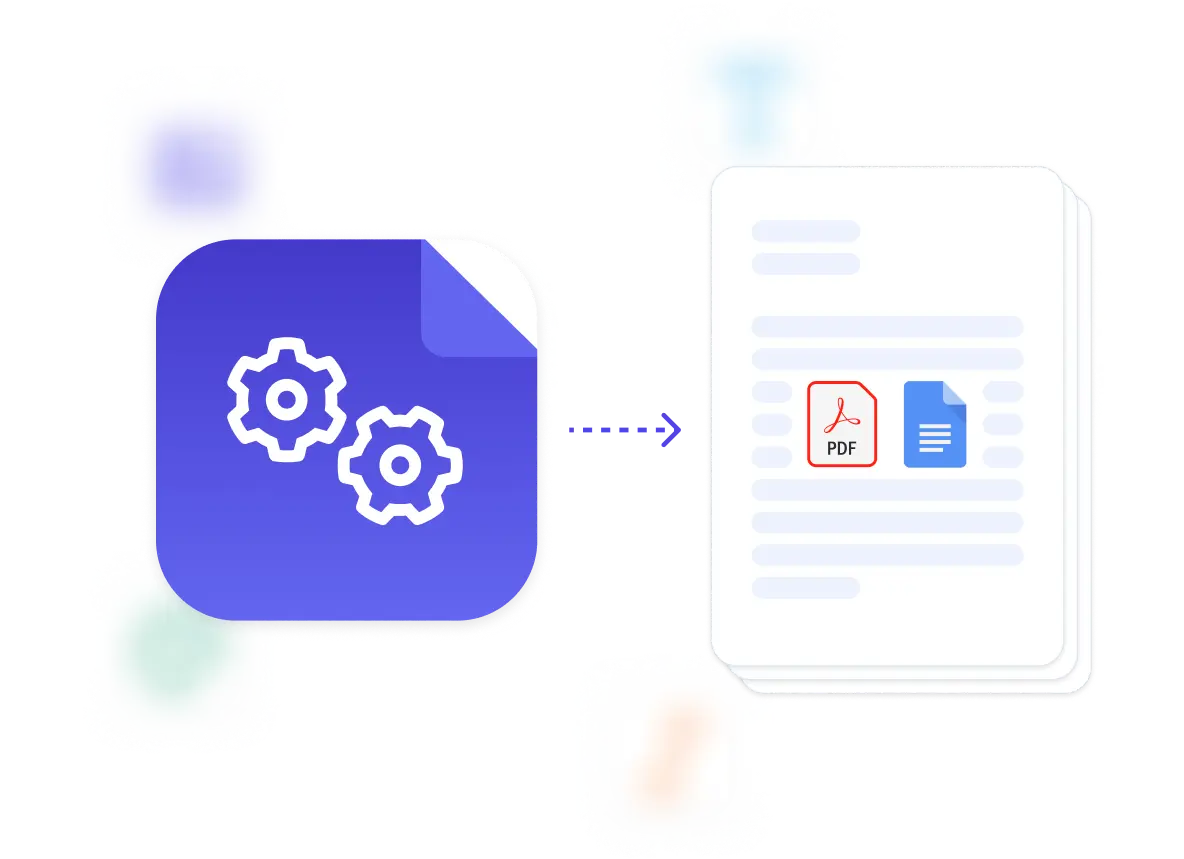
We connect your deal data to the contracts you need to create. You build a Google Docs template that matches your standard agreement structure, complete with all the legal language, clauses, and terms your contracts require. You might start with a freelance services contract template and adapt it to entertainment-specific terms, or design agreements from scratch that reflect how your agency structures deals. Then you connect those templates to your data source, whether that's Airtable tracking your artist roster and active opportunities, ClickUp managing tour schedules and venue relationships, or a custom system via API.
When you're ready to create a contract, we pull the relevant records and generate the complete document. Dynamic tables let you include payment schedules, performance dates, or deliverable lists that adjust based on the specific deal without manual table formatting. Conditional sections mean clauses about recording rights only appear in production agreements, technical riders only show up in performance contracts, and territory restrictions only populate in licensing deals. This keeps each contract type focused on what matters for that particular agreement.
The preview mode lets you test templates against real deal data before sending them to artists or partners, so you catch formatting issues or missing fields before contracts go out. We output both a PDF for signatures and a Google Doc if your legal team needs to make deal-specific edits. Because the system is based on Google Docs, your team already understands how to adjust templates when contract requirements change or new deal types emerge.
Entertainment management companies use DocsAutomator to automate several contract types as you will see.
DocsAutomator natively integrates with your favorite apps









Start with our free pre-built templates
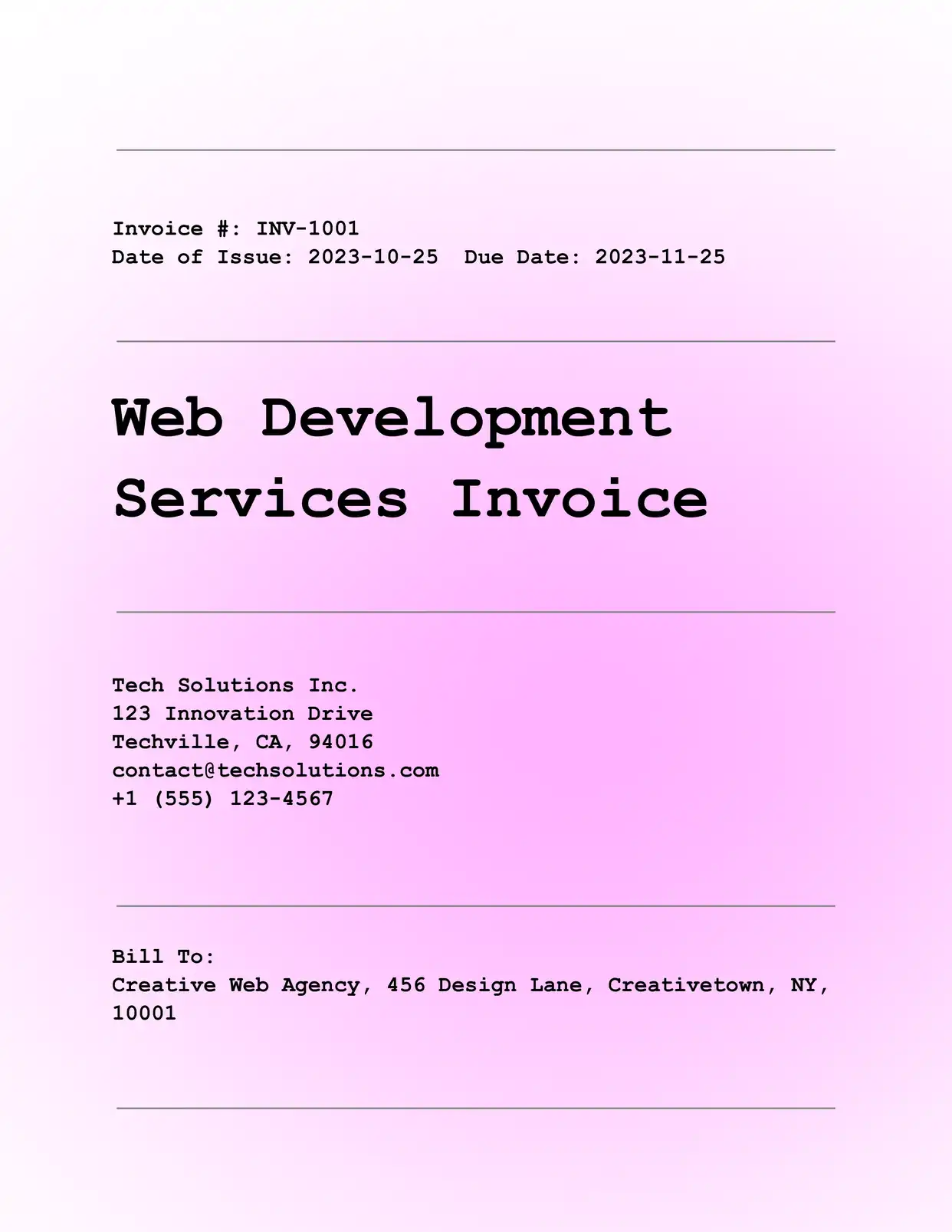
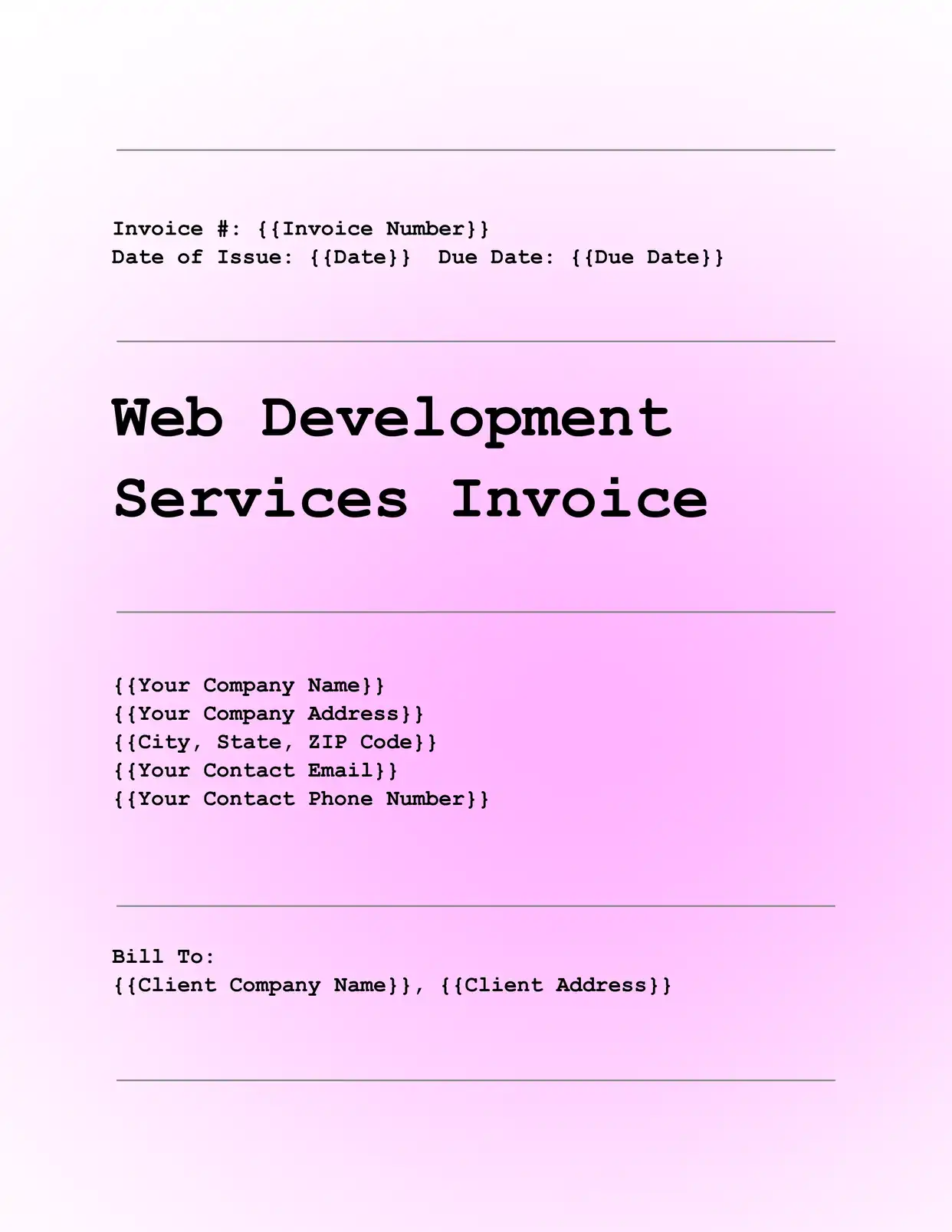
To make the start easy, we've created a variety of templates for the most common use cases.
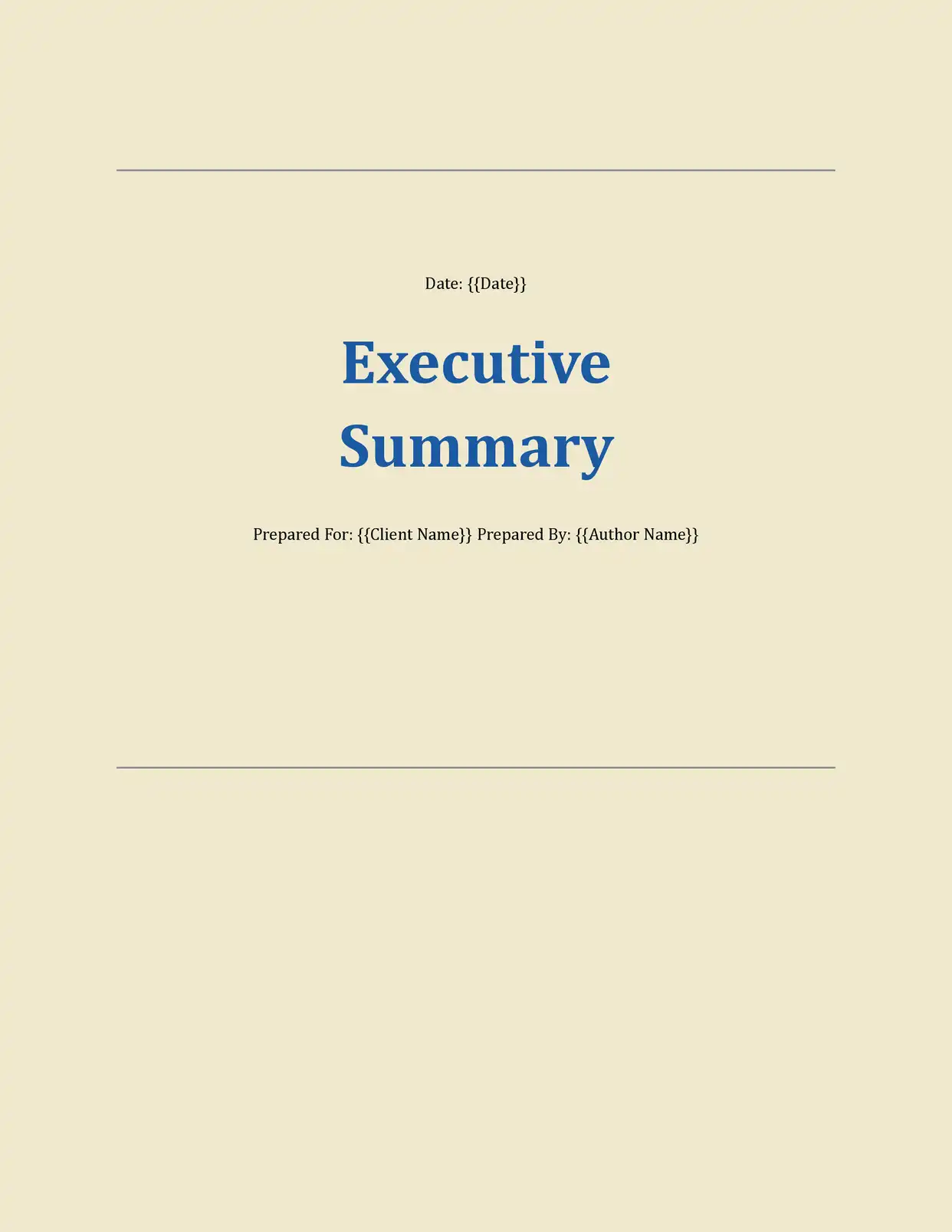
Discover all of our pre-built templates:
View full Template GalleryReady to automate your documents?
Join the 1,215 businesses that trust DocsAutomator with their most critical documents








Unlimited testing, no credit card required