Still creating your documents manually?
Document Automation App for Commercial Real Estate Teams
Commercial real estate teams manage dozens of document types across acquisitions, leasing, property management, and dispositions. A document automation app connects your existing property data to templates that generate lease agreements, offering memorandums, tenant notices, and transaction documents without the manual reformatting that slows deal cycles and portfolio management.

Understanding Document Automation Apps for Commercial Real Estate Organizations
Commercial real estate transactions and property management generate hundreds of documents annually, from lease agreements to offering memorandums to tenant communications. As the commercial real estate sector increasingly adopts technology to improve operational efficiency, document automation apps for commercial real estate transform how teams convert property data into the formal documents deals require. Instead of manually reformatting property details, financial terms, and legal provisions for each transaction or tenant communication, an automation app generates these documents directly from your existing data sources.
For teams managing multiple properties, processing frequent lease transactions, or coordinating between acquisitions, leasing, and asset management functions, this eliminates the bottleneck of document preparation. When a new lease term sheet gets negotiated or a property goes to market, you generate complete documents immediately rather than waiting for manual drafting cycles. The specific demands of commercial real estate operations explain where automation delivers the most value.
Start automating documents in minutes!
Why Real Estate Teams Need Document Automation Apps
Property information exists in CRM systems, property management platforms, and financial databases, but executing transactions requires formatted legal documents with complete terms and conditions.
- Multiple document versions serve different audiences: Brokers need offering memorandums for marketing, leasing teams require proposals for prospective tenants, legal needs complete lease agreements, and asset management wants performance reports. Each document draws from the same underlying property data but requires different formatting and emphasis. Creating these variations manually means reformatting similar information repeatedly for different purposes.
- Deal velocity depends on document turnaround: Tenants comparing multiple spaces expect proposals within hours, buyers conducting due diligence need information packages assembled quickly, and time-sensitive transactions require rapid contract preparation. When document production takes days instead of hours, deals slow down or opportunities disappear to competitors who respond faster.
- Portfolio scale multiplies document volume: Managing dozens or hundreds of properties means lease renewals happen constantly, tenant communications need generation regularly, and financial reporting cycles produce recurring documentation requirements. Manual production doesn't scale when portfolio size increases or transaction activity accelerates.
- Accuracy matters for legal and financial exposure: Incorrect square footage calculations affect rent amounts, missing escalation clauses create revenue gaps, wrong property descriptions delay closings, and inconsistent terms across similar leases create management complications. Each manual document carries risk of transcription errors when transferring information between systems and templates.
These challenges reflect how commercial real estate teams balance transaction speed with documentation accuracy across diverse property types and deal structures. A document automation app synchronizes property information with the documents that transactions and management require.
How DocsAutomator Delivers Document Automation for Commercial Real Estate Organizations
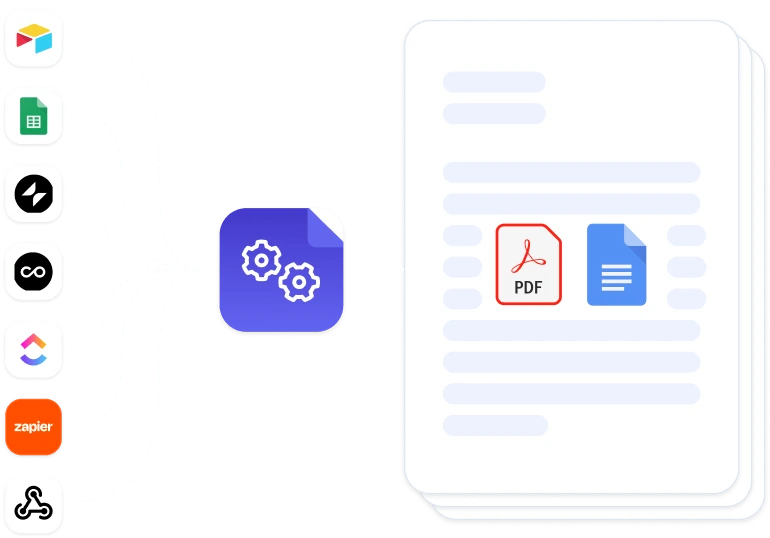
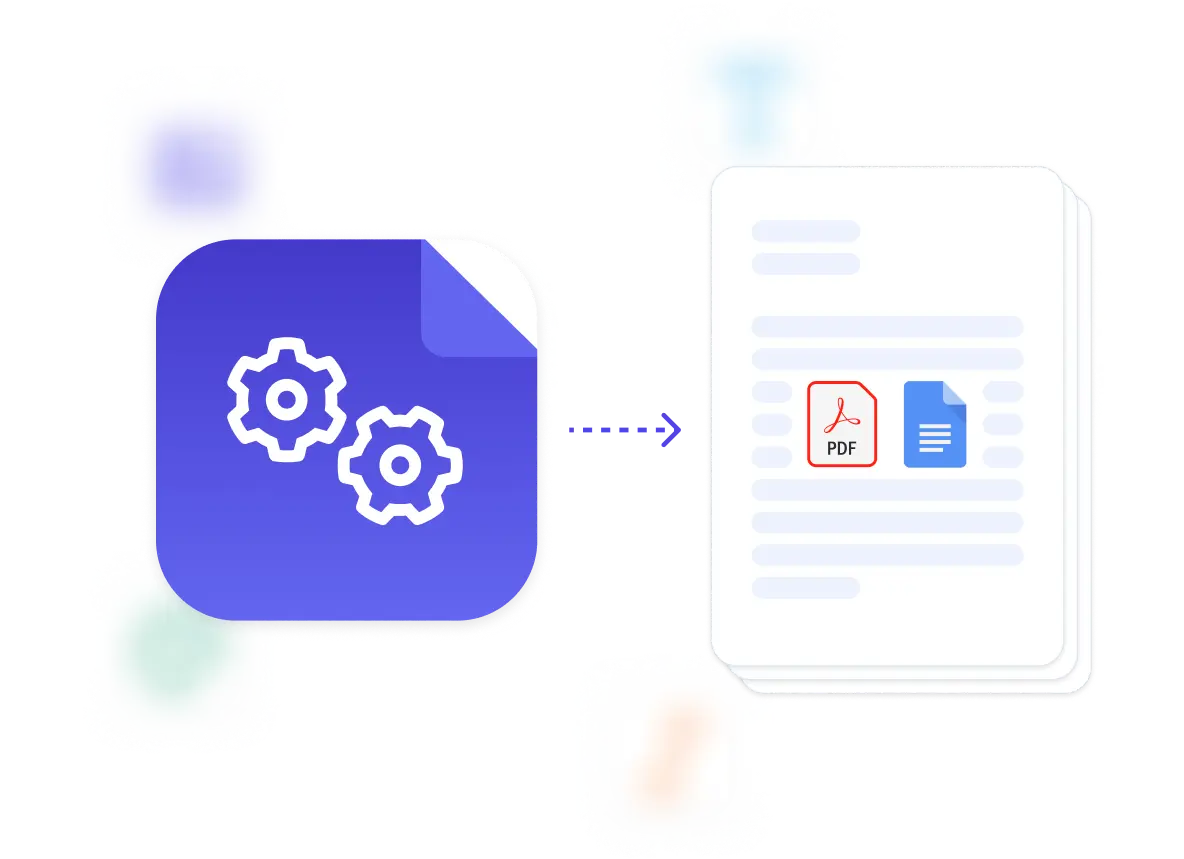
DocsAutomator connects your property and transaction data to the documents your business needs. You create a Google Docs template that matches your standard document format, whether that's lease agreements, offering memorandums, or tenant communications. The template defines structure once, with placeholders where property-specific information appears. This includes addresses, square footage, rental rates, lease terms, property descriptions, financial data, and any other information your documents require. Then you connect that template to your data source, whether that's Airtable managing property portfolios, your CRM tracking deals, property management software, or a custom database via the PDF generation API.
When you need documents, the system pulls relevant property records and generates complete files. Dynamic tables automatically format rent schedules, expense breakdowns, or comparable property listings without manual table construction. Conditional sections mean retail lease provisions only appear for retail properties, industrial-specific terms populate for warehouse spaces, office amenity descriptions show up for office buildings, and specialized clauses adjust based on property type and lease structure. Image insertion places floor plans, property photos, or location maps exactly where your documents require them.
This approach works whether you manage a focused portfolio or operate across multiple markets and property types. A boutique firm specializing in one asset class generates documents as easily as a diversified platform managing thousands of units across office, retail, industrial, and multifamily sectors.
DocsAutomator natively integrates with your favorite apps









Start with our free pre-built templates
To make the start easy, we've created a variety of templates for the most common use cases.


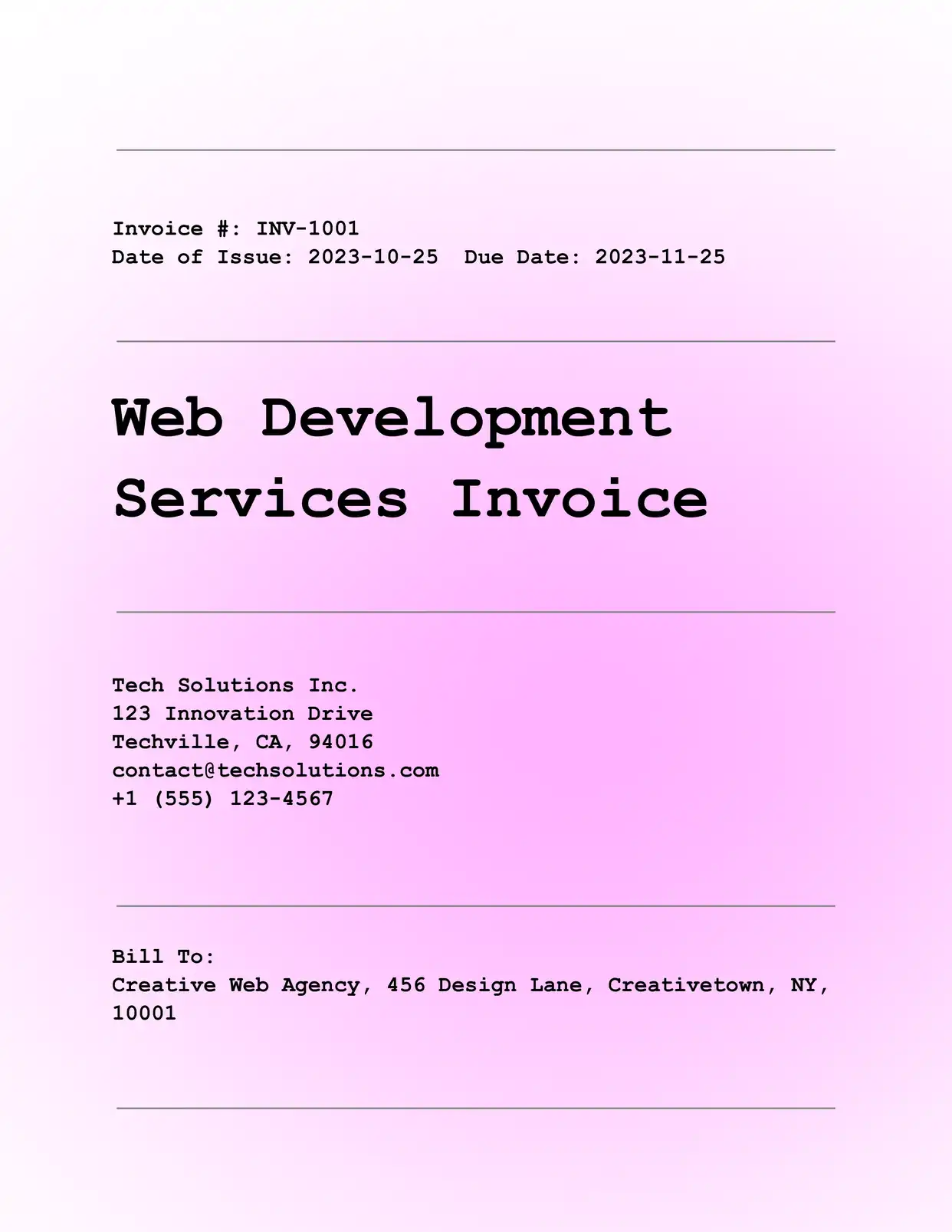
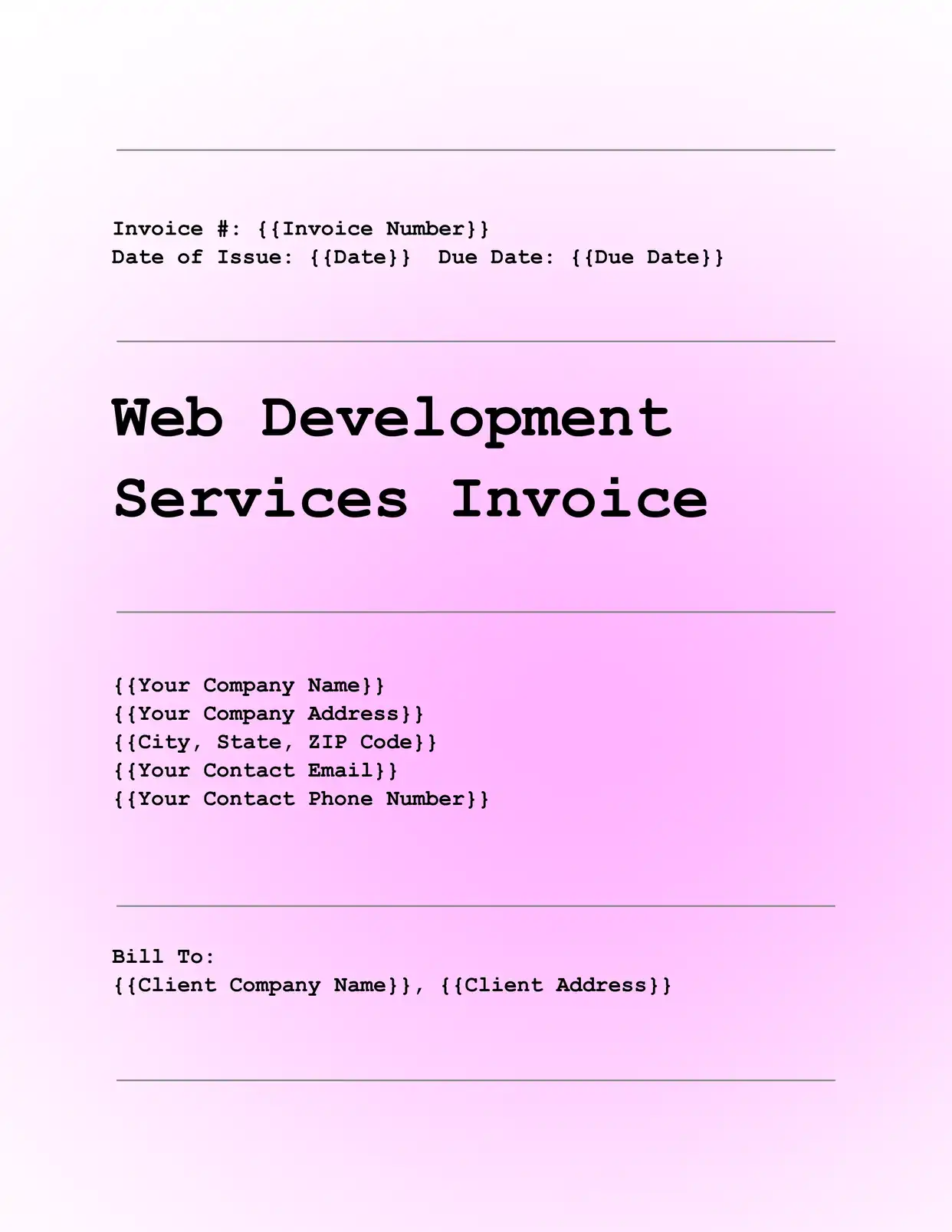
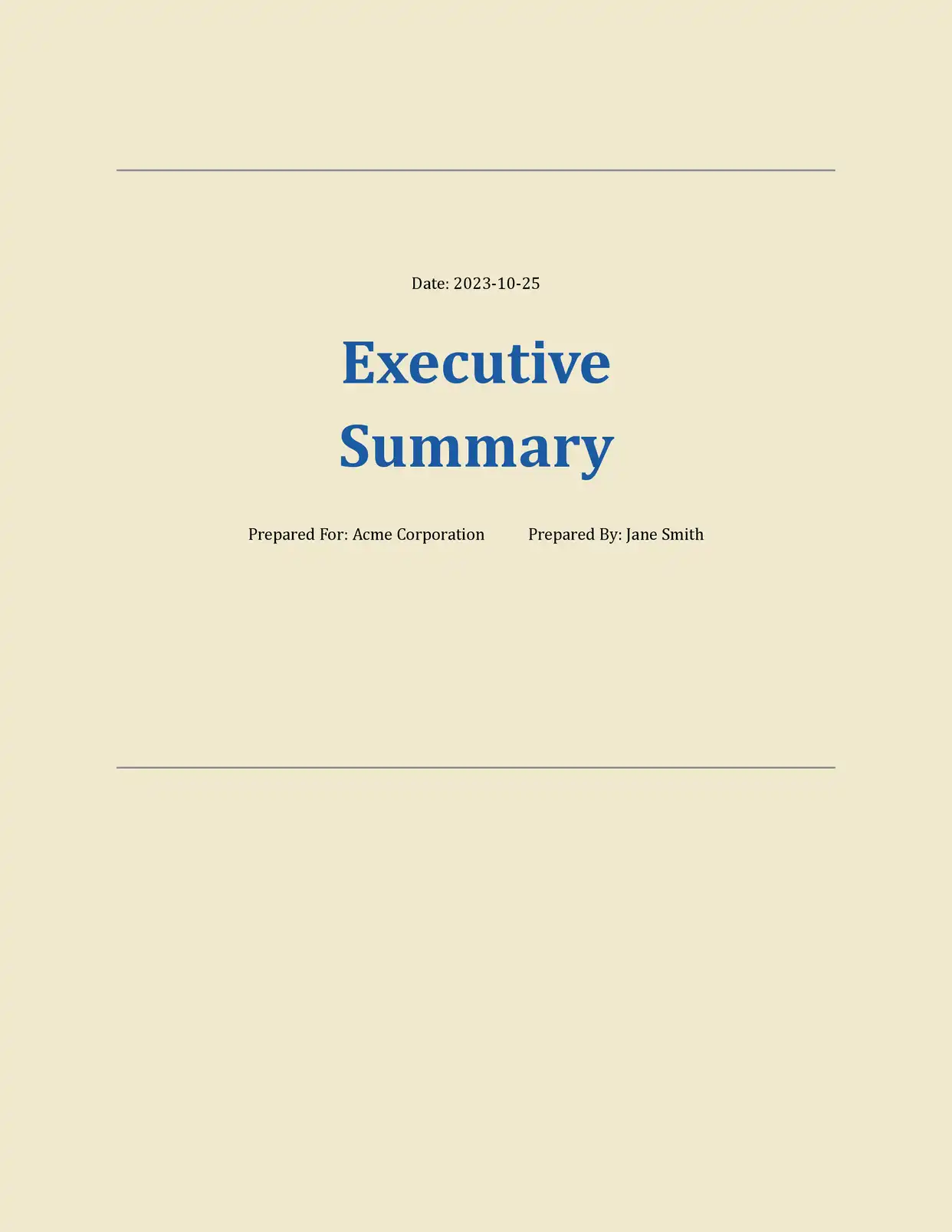
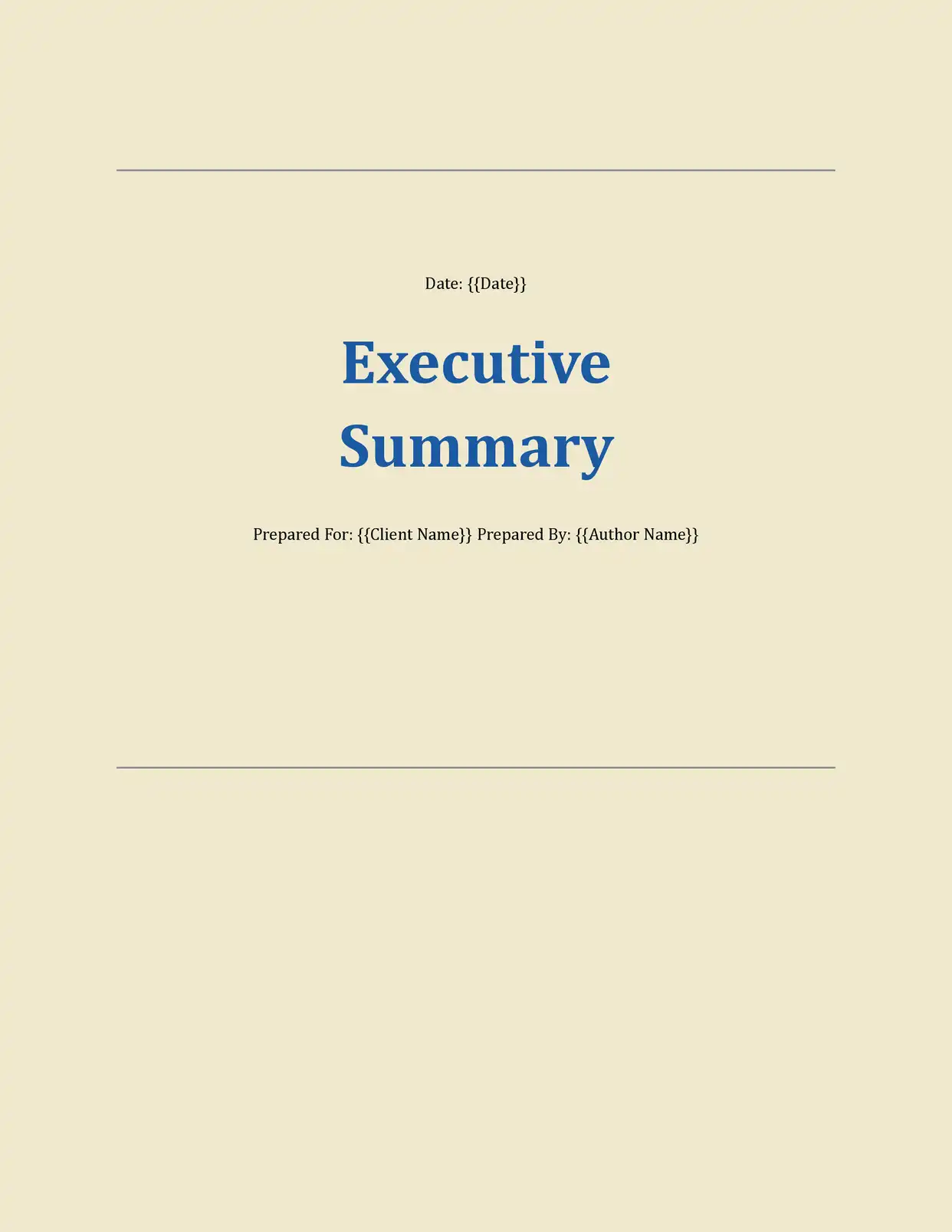
Discover all of our pre-built templates:
View full Template GalleryReady to automate your documents?
Join the 1,215 businesses that trust DocsAutomator with their most critical documents








Unlimited testing, no credit card required