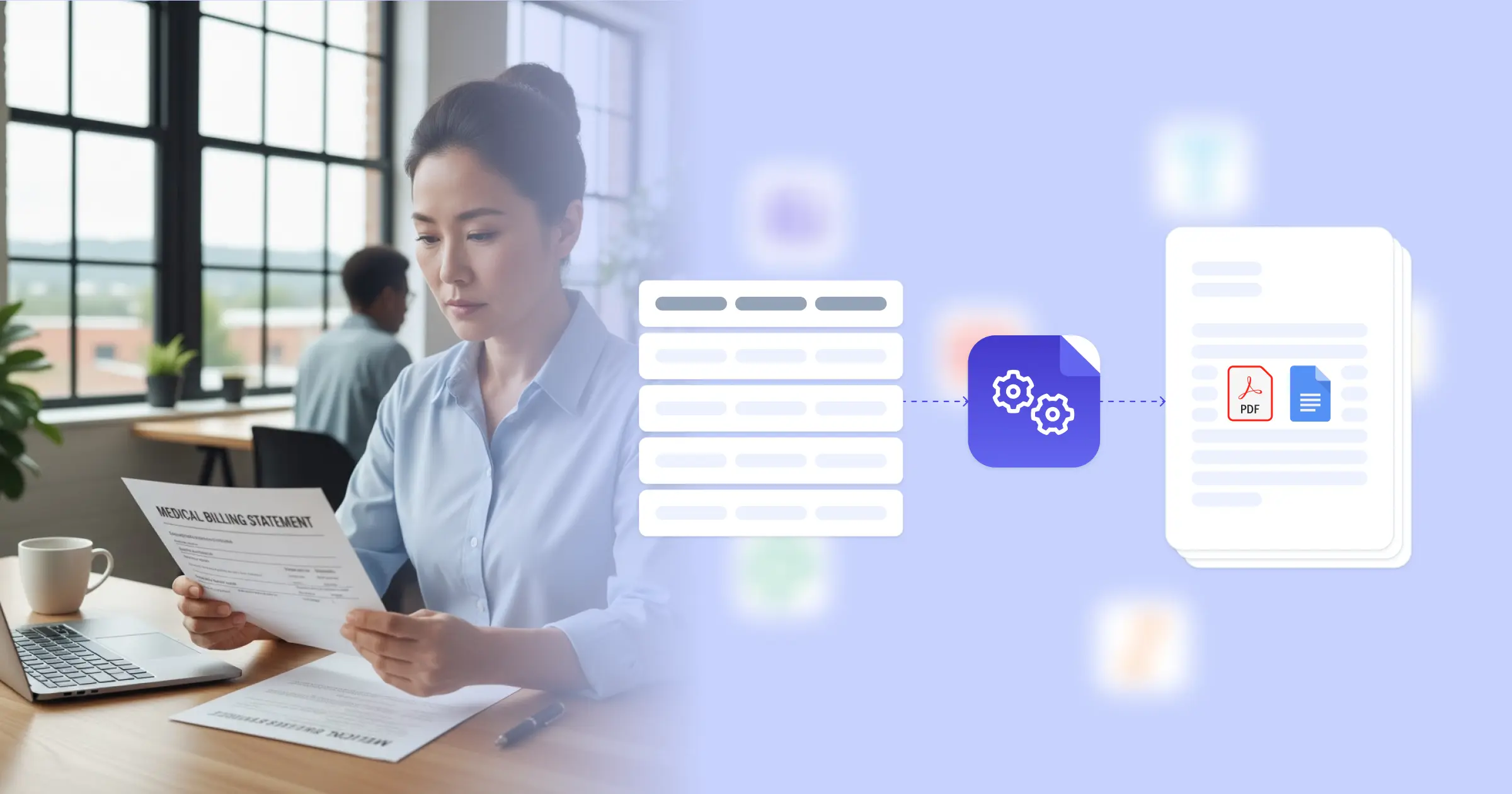
Still creating your documents manually?

Automate your document creation / workflow with DocsAutomator.
Get started for free
Trusted by 10,000+ Business Owners

Automate Medical Billing Statement Generation for Clinics

Generate medical billing statements from patient encounter and insurance data to improve collection rates and reduce the administrative burden on clinical billing staff.

Understanding Billing Statements for Healthcare Organizations

Medical billing statements communicate patient financial obligations by itemizing services, showing insurance processing results, and presenting balance due information in formats patients can understand and act upon. According to HFMA's Patient Friendly Billing guidelines, clear patient financial communications improve collection rates and patient satisfaction. Clinical billing staff traditionally pull encounter data from practice management systems, insurance remittance details from payer portals, and patient demographics from EHR records before formatting each statement manually. These benefits are delivered through connecting your Google Docs templates with your practice management platform, Airtable patient database, or billing system, so statements generate with accurate charges, insurance adjustments, and payment details already formatted. Your billing team sends professional statements to patients without manual data compilation.
Start automating

Healthcare

Documents in minutes - for free!

20 documents for free/month. See pricing for details.

Why Healthcare Teams Need Billing Statement Automation

Medical practices and clinics face billing communication challenges that affect cash flow and patient relationships when statements are delayed or confusing.

  • Statement Volume and Timing: Practices generate hundreds of patient statements monthly after insurance processing completes. Manual preparation delays statements and extends collection cycles, directly impacting cash flow.
  • Complex Charge Explanations: Patients struggle to understand billing statements that show procedure codes, modifier applications, and insurance adjustment calculations. Confusing statements generate phone calls and payment delays.
  • Insurance Coordination: Patients with multiple insurance coverages require statements that show primary and secondary processing, coordination of benefits, and remaining patient responsibility after all coverage applies.
  • Regulatory Requirements: Good faith estimate requirements, itemized billing rules, and payment plan disclosure regulations require specific statement content that must be consistently included in patient communications.

These billing operation demands explain why healthcare practices implement document workflow automation to maintain effective patient financial communications.

Key Challenges
How DocsAutomator works

How DocsAutomator Delivers Billing Statement Automation for Healthcare Organizations

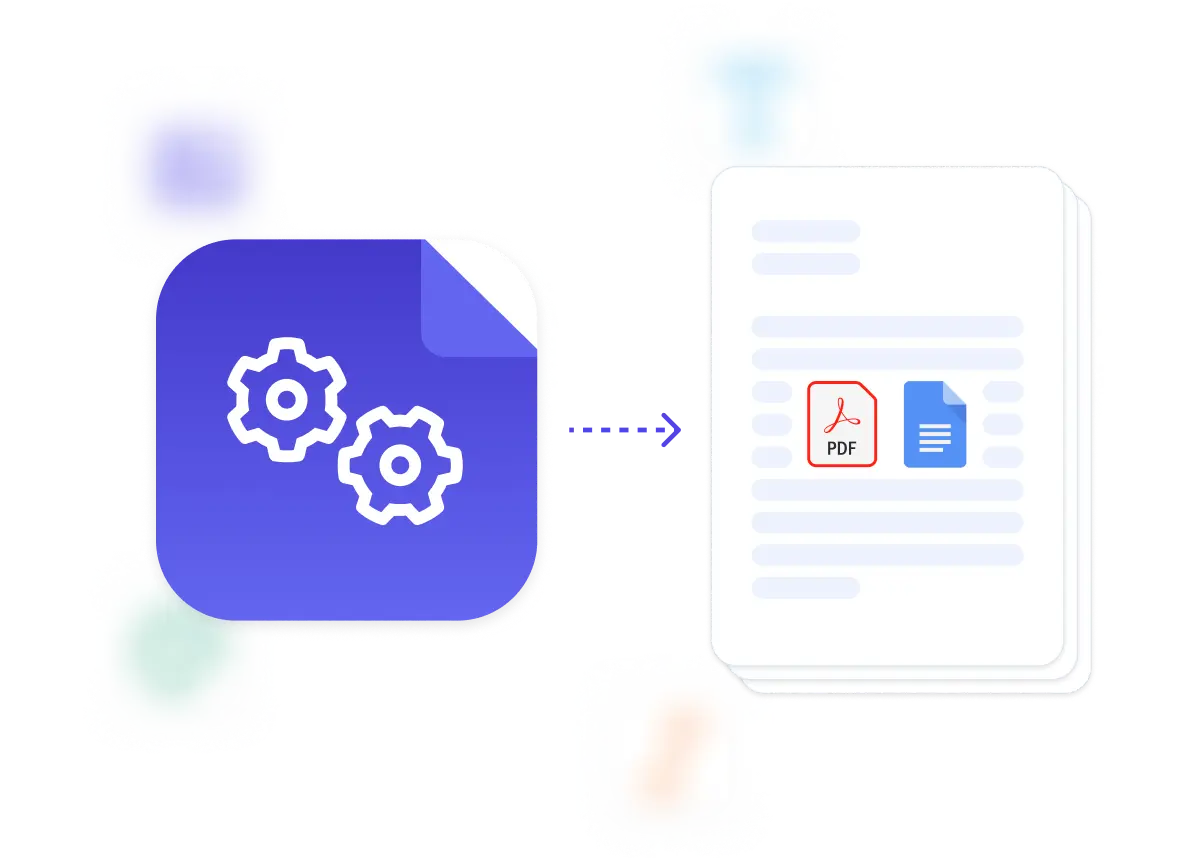
We connect your patient and billing data directly to Google Docs templates, generating statements automatically when insurance processing completes. Patient names, service dates, procedure descriptions, charges, insurance payments, adjustments, and balances flow from your practice management system or Airtable billing database into formatted statements ready for delivery.

The system handles healthcare billing complexity naturally. Dynamic tables present itemized service lines with dates, descriptions, charges, and adjustments in patient-friendly formats. Conditional logic includes payment plan offers for balances above certain thresholds, adds collection warning language for aged accounts, or shows different payment options based on account status. Insurance explanation sections format coverage details, deductible applications, and patient responsibility calculations clearly.

This works through native integrations with Airtable, Google Sheets, ClickUp, and similar platforms, plus our flexible API for connecting to practice management systems and billing software. Output is PDF for mailing or patient portal delivery, with optional Google Docs format when statements need manual adjustments before sending. See our invoice automation guide for related approaches. Teams handling high billing volumes also benefit from understanding automated document generation strategies.

Patient Billing Statements

generate itemized patient invoices with service dates, procedure codes, charges, insurance adjustments, and balance due from encounter data

Insurance Explanation Summaries

create patient-friendly explanations of insurance processing with covered amounts, deductible applications, and patient responsibility breakdowns

Payment Plan Agreements

produce installment payment contracts with balance amounts, payment schedules, and authorization terms from patient account data

Collection Letters

automate overdue payment notices with account balances, aging details, and payment options from accounts receivable tracking

Good Faith Estimates

generate pre-service cost estimates with anticipated charges, expected insurance coverage, and estimated patient costs from fee schedules

Receipt Confirmations

create payment receipt documents with transaction details, remaining balances, and account status from payment processing data

DocsAutomator natively integrates with your favorite apps

We’ve built native integrations for the most common platforms our customers are using. If you’re missing an integration, please send us an email.

Start with our free pre-built Google Docs templates

Frequently Asked Questions